

When it comes to caregiving, the qualities of a caregiver play a vital role in promoting healing and overall well-being. A good caregiver possesses certain key attributes that can significantly impact the care they provide. Understanding the role of caregivers in healing and the impact of their qualities is essential in recognizing their importance.
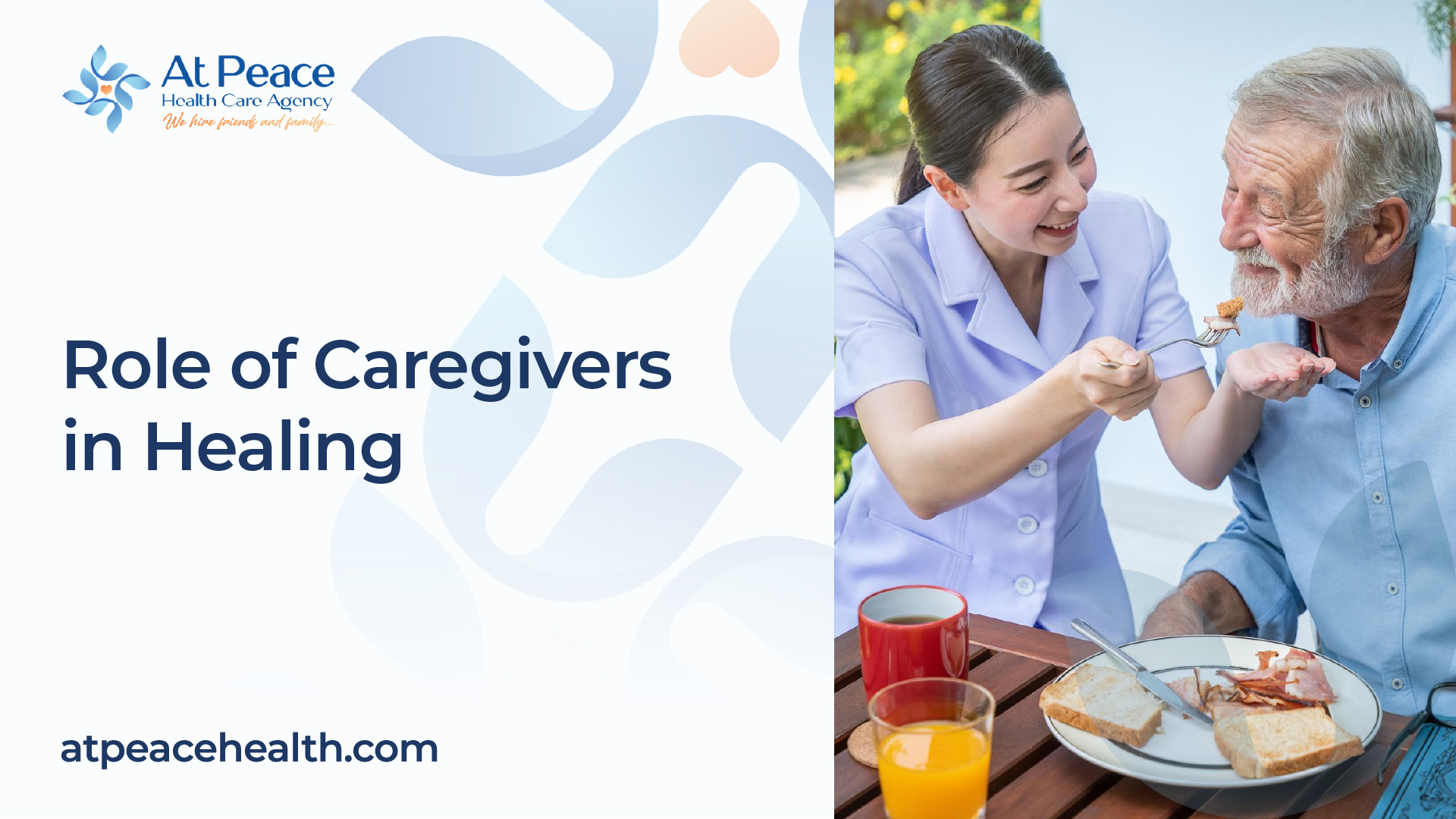
Role of Caregivers in Healing
Caregivers play a crucial role in the healing process of individuals requiring care and support. They serve as companions, advocates, and providers of essential assistance. Caregivers ensure that their patients receive the physical, emotional, and psychological support they need to navigate through challenging times.
In addition to attending to the physical needs of the care recipient, caregivers offer companionship, empathy, and a sense of security. They create a nurturing environment that fosters healing, promotes independence, and enhances the overall quality of life for those under their care.

Impact of Caregiver Qualities
The qualities of a good caregiver have a profound impact on the care they provide. These qualities shape the caregiver-patient relationship and influence the overall well-being of the care recipient. Let’s explore the five key qualities that make a good caregiver:
Qualities of a Good Caregiver
- Empathy
- Patience
- Communication Skills
- Flexibility
- Compassion
By possessing these qualities, caregivers can create a supportive and healing environment that facilitates the well-being of their patients. Each of these qualities contributes to different aspects of caregiving, from emotional support to effective communication and adaptability to changing needs.
In conclusion, the role of a caregiver in healing is invaluable, and their qualities greatly influence the overall well-being and recovery of the care recipient. By embodying qualities such as empathy, patience, effective communication, flexibility, and compassion, caregivers can provide the necessary support and care that individuals require during challenging times.
Empathy
Empathy is a fundamental quality that sets a good caregiver apart. It involves understanding and sharing the emotions of the person receiving care. By being empathetic, caregivers can establish a deep connection with their patients and provide support that goes beyond physical care.
Understanding and Sharing Emotions
A good caregiver possesses the ability to put themselves in the shoes of their patients and truly understand what they are going through. They take the time to listen actively and observe non-verbal cues, allowing them to recognize and acknowledge the emotions experienced by the person under their care. This understanding helps to foster trust and build a strong relationship between the caregiver and the patient.
Empathetic caregivers also share in the emotions of their patients. They are able to resonate with their joys, fears, and struggles, which creates a safe and comforting environment. By sharing these emotions, caregivers can provide genuine support and reassurance, making the patient feel understood and valued.
Importance of Empathy in Caregiving
Empathy plays a vital role in caregiving, benefiting both the caregiver and the person receiving care. Here are some reasons why empathy is essential in the caregiving process:
- Emotional Support: By demonstrating empathy, caregivers provide emotional support to their patients. This support can alleviate feelings of loneliness, anxiety, and depression, promoting overall well-being.
- Trust and Connection: When caregivers show empathy, they build trust with their patients, creating a strong bond. This connection enhances communication and cooperation, making the caregiving journey more effective and fulfilling.
- Person-Centered Care: Empathetic caregivers prioritize the individual needs and preferences of their patients. They take into account their unique circumstances, values, and emotions, ensuring that the care provided is tailored to the person’s specific requirements.
- Enhanced Communication: Empathy enhances communication between the caregiver and the patient. By understanding the emotions behind the words, caregivers can respond appropriately and address the underlying needs effectively.
- Reduced Stress and Anxiety: Being cared for by an empathetic caregiver can significantly reduce stress and anxiety levels in patients. They feel understood, supported, and valued, which contributes to a positive healing environment.
In conclusion, empathy is a crucial quality for caregivers to possess. It allows them to understand and share the emotions of their patients, providing invaluable emotional support and fostering trust. By being empathetic, caregivers can deliver person-centered care that addresses the unique needs of each individual.
Patience
Patience is a fundamental quality that sets good caregivers apart. Caring for others, especially those who are sick or in need of assistance, can be challenging and unpredictable. It requires caregivers to navigate through various obstacles and maintain their composure in difficult situations. In this section, we will explore how patience plays a vital role in caregiving by dealing with challenges and maintaining calm and composure.
Dealing with Challenges
Caregiving often presents numerous challenges, ranging from physical demands to emotional stress. A good caregiver understands the importance of patience when faced with these challenges. They approach each obstacle with a calm and composed demeanor, seeking solutions rather than becoming overwhelmed.
From managing unexpected situations to addressing the changing needs of their care recipients, caregivers need to demonstrate patience in their response. This quality allows them to adapt to difficult circumstances, find creative solutions, and provide the best possible care. Patience enables caregivers to persevere through challenging moments, ensuring that the needs of their care recipients are met with compassion and understanding.
Maintaining Calm and Composure
Maintaining a sense of calm and composure is crucial for caregivers. Patience helps them remain composed in stressful situations, providing stability and reassurance to those under their care. When faced with an agitated or distressed care recipient, a patient caregiver can respond with empathy and understanding, creating a supportive environment.
Caregivers who possess patience are less likely to react impulsively or become overwhelmed by the demands of their role. They can think rationally, make sound decisions, and offer a calming presence to those in their care. By staying composed, caregivers create an atmosphere of trust and security, fostering a positive caregiving experience for both themselves and their care recipients.
When seeking a caregiver for yourself or a loved one, consider the importance of patience. It is a quality that significantly contributes to the overall well-being and satisfaction of both the caregiver and the care recipient. For more information on other essential qualities of a good caregiver, check their article on compassionate caregiver traits.
In the next section, we will explore another crucial quality of a good caregiver: effective communication skills. Communication is essential for building strong relationships and ensuring the needs and preferences of care recipients are met. Stay tuned for valuable insights on this topic.
Communication Skills
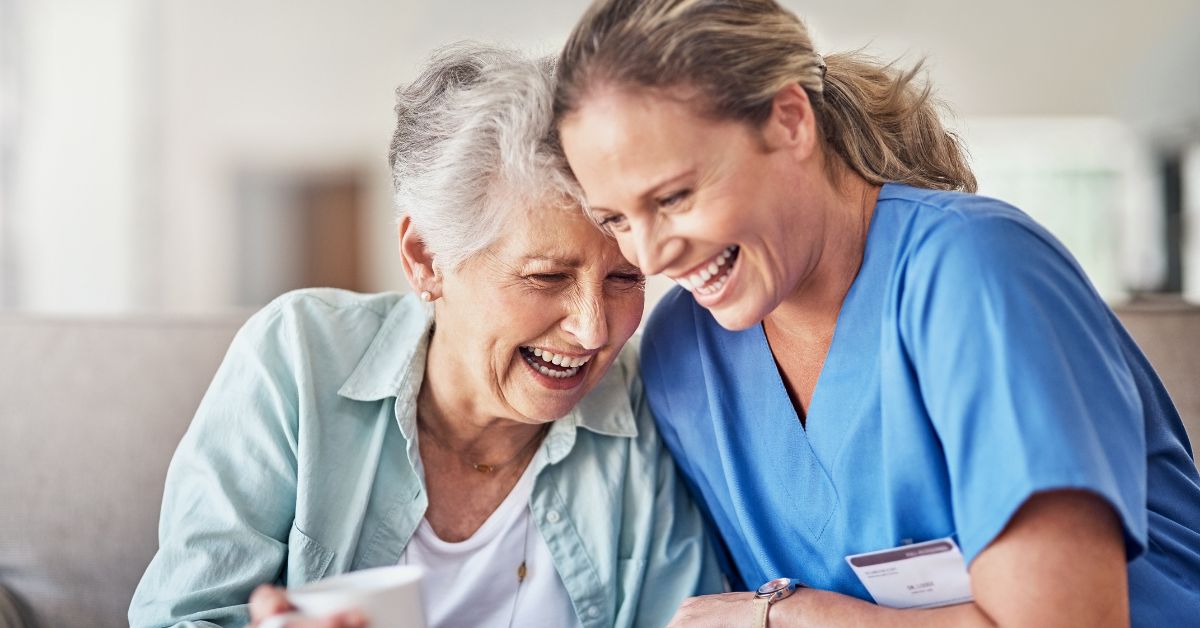
Effective communication is a fundamental quality that sets apart a good caregiver. It involves both active listening and the ability to convey messages clearly through verbal and non-verbal means. Here, we will explore the importance of active listening and effective communication in caregiving.
Active Listening
Active listening is a crucial skill for caregivers as it allows them to fully understand and respond to the needs and concerns of those they care for. It involves giving undivided attention to the speaker, focusing on their words, tone, and body language.
By actively listening, caregivers can establish a deeper connection with their care recipients and gain valuable insights into their emotions and experiences. This helps caregivers to provide appropriate support and address their concerns more effectively. Additionally, active listening creates a safe and supportive environment, fostering trust and rapport between the caregiver and care recipient.
Effective Verbal and Non-Verbal Communication
In addition to active listening, good caregivers possess effective verbal and non-verbal communication skills. They are able to convey their thoughts and instructions clearly and respectfully, adapting their communication style to the needs and preferences of the care recipient.
Verbal communication involves using clear and concise language, avoiding jargon or technical terms that may confuse the care recipient. Caregivers should also be mindful of their tone of voice, ensuring it remains calm and reassuring. This helps to create a positive and supportive atmosphere during interactions.
Non-verbal communication, such as facial expressions, gestures, and body language, also plays a significant role in caregiving. Caregivers should be aware of their non-verbal cues and ensure they align with their verbal messages. For example, maintaining eye contact, nodding to show understanding, and using appropriate touch can all contribute to effective non-verbal communication.
By mastering active listening and effective verbal and non-verbal communication skills, caregivers can enhance their ability to understand and meet the needs of the care recipient. These skills also foster trust, promote a positive caregiver-care recipient relationship, and contribute to a better overall caregiving experience.
Flexibility
Flexibility is a crucial quality that sets good caregivers apart. It involves the ability to adapt to changing needs and situations, as well as being open-minded and willing to adjust. Let’s explore these aspects in more detail.
Adapting to Changing Needs
A good caregiver understands that the needs of those they care for can change over time. They are able to assess and recognize these changes, and adjust their approach accordingly. Whether it’s physical, emotional, or cognitive changes, a flexible caregiver is adaptable and responsive.
For example, if a caregiver is assisting an elderly individual with mobility issues, they may need to modify their approach as the person’s condition progresses. This could involve using different assistive devices, adjusting the level of assistance provided, or even seeking additional support from healthcare professionals. By being flexible and adaptable, caregivers can ensure that the care they provide remains effective and meets the evolving needs of their clients.
Being Open-Minded and Willing to Adjust
Being open-minded is another key aspect of flexibility in caregiving. Good caregivers understand that everyone is unique and may have different preferences, values, and ways of doing things. They approach their caregiving duties with a non-judgmental attitude, respecting the individuality of each person they care for.
By being open-minded, caregivers can create a supportive and inclusive environment that promotes the well-being of those under their care. They are willing to listen to the perspectives and wishes of their clients, and make adjustments to their caregiving approach based on individual needs and preferences.
Additionally, flexibility in caregiving extends beyond the physical aspects. Caregivers must also be adaptable in their schedules and routines, as emergencies and unexpected situations may arise. A good caregiver is prepared to make necessary adjustments to ensure that the care provided remains consistent and reliable.
Remember, flexibility is just one of the key qualities of a good caregiver. Compassion, empathy, patience, and trustworthiness are equally important attributes that contribute to providing high-quality care.
By embodying these qualities, caregivers can create a nurturing and supportive environment that promotes the well-being and comfort of those they care for.
Compassion
Compassion is a fundamental quality that sets good caregivers apart. It involves showing kindness, understanding, and providing emotional support to those under their care. Compassionate caregivers create a nurturing and supportive environment that promotes healing and well-being.
Showing Kindness and Understanding
A good caregiver demonstrates kindness and understanding towards the individuals they care for. They take the time to listen attentively and empathetic to their concerns, ensuring that they feel heard and valued. By showing genuine care and concern, caregivers can foster a sense of trust and comfort in their patients.
Compassionate caregivers also prioritize treating individuals with respect and dignity. They understand that each person has unique needs, preferences, and experiences, and they tailor their care accordingly. By being sensitive to cultural, emotional, and physical differences, caregivers can create a safe and inclusive environment for their patients.
Providing Emotional Support
Emotional support is a vital aspect of caregiving that helps individuals cope with their physical, mental, and emotional challenges. A compassionate caregiver recognizes the importance of addressing the emotional well-being of those they care for.
They offer a compassionate presence, lending a listening ear and providing reassurance during difficult times. They offer encouragement, empathy, and understanding, helping individuals navigate through their emotional struggles. By acknowledging and validating their emotions, caregivers can provide comfort and solace to those in their care.
In addition, compassionate caregivers may also connect individuals with support groups, counseling services, or other resources to further meet their emotional needs. They understand that emotional well-being is deeply interconnected with overall healing and recovery.
By embodying kindness, understanding, and emotional support, compassionate caregivers create a nurturing environment that promotes healing, comfort, and well-being. These qualities play a significant role in enhancing the caregiving experience for both the caregiver and the individual receiving care.
Trustworthiness
Trustworthiness is a fundamental quality that sets apart good caregivers. Building trust and reliability is essential in establishing strong relationships with care recipients and their families. Additionally, respecting privacy and confidentiality is crucial for maintaining the integrity of the caregiving process.
Building Trust and Reliability
Trust is the foundation of any caregiver-care recipient relationship. Good caregivers understand the importance of building trust by consistently demonstrating reliability, dependability, and honesty. This involves being punctual, keeping promises, and following through on commitments.
By consistently providing quality care and showing genuine concern for the well-being of the care recipient, caregivers can establish trust over time. Open and honest communication is also key to building trust. Caregivers should actively listen to the needs and concerns of care recipients and their families, addressing any questions or uncertainties with empathy and transparency.
Respecting Privacy and Confidentiality
Respecting privacy and confidentiality is an integral part of being a trustworthy caregiver. Care recipients rely on caregivers to handle personal and sensitive information with the utmost discretion. Respecting privacy means maintaining confidentiality regarding personal details, medical history, and any other information shared in the course of caregiving.
Caregivers should strictly adhere to privacy guidelines and legal requirements, ensuring that confidential information is not disclosed to unauthorized individuals. Respecting privacy also includes maintaining appropriate boundaries and safeguarding the dignity and autonomy of care recipients.
By embodying trustworthiness, caregivers create an environment where care recipients and their families feel safe, respected, and supported. To learn more about the qualities of a good caregiver, explore their article on empathetic caregiver skills.
FAQs
Can anyone become a good caregiver?
While certain qualities can make someone well-suited for caregiving, not everyone is cut out for this kind of work. It requires a lot of patience, empathy, and dedication. However, with the right training and support, many people can develop the skills they need to be effective caregivers.
What kind of training do caregivers need?
The specific training requirements for caregivers vary depending on the type of care they provide and the regulations in their state or country. In general, caregivers should have basic first aid and CPR training, as well as training in topics like infection control, medication management, and communication skills.
How can I find a good caregiver for my loved one?
Finding a good caregiver can be challenging, but there are several resources available to help you. You may want to start by asking for recommendations from friends or family members who have used caregiving services in the past. You can also search online directories or contact local agencies that specialize in home care.
How much does it cost to hire a caregiver?
The cost of hiring a caregiver varies depending on factors like location, level of experience, and the type of care needed. In general, home care services can range from $20-$40 per hour or more. It’s important to get detailed information about costs upfront so you can plan accordingly.
What if I’m not happy with my caregiver?
If you’re not satisfied with your caregiver’s performance or feel that they’re not meeting your needs or those of your loved one, it’s important to communicate your concerns directly with them or with their agency. They may be able to address any issues or make changes to better meet your needs. If all else fails, you may need to consider finding a new caregiver who is a better fit.
Conclusion
In conclusion, being a caregiver is a challenging but rewarding job. It takes a special kind of person to provide the kind of care that makes a difference in someone’s life. If you’re considering a career in caregiving or if you’re looking for someone to care for a loved one, look for these five qualities in a caregiver. They’ll help ensure that you get the best care possible.
Sources
1. https://www.vnshealth.org/best-qualities-of-a-good-caregiver/
2. https://www.seniorhelpers.ca/essential-traits-to-being-a-caregiver
3. https://www.getsetup.com/what-are-the-top-5-qualities-of-a-good-caregiver
4. https://bighearts.com.ph/qualities-good-caregiver-elderly/
5. https://commhealthcare.com/top-qualities-to-look-for-in-a-good-caregiver/


