

Unique Activities for Seniors
Remaining physically and mentally active is crucial for seniors to lead a fulfilling and healthy life. Engaging in regular activities not only promotes physical well-being but also enhances cognitive function, emotional well-being, and social connections. Let’s explore the importance of physical and mental activity for seniors.
Importance of Physical Activity for Seniors
Regular physical activity offers a multitude of benefits for seniors. It helps maintain strength, flexibility, and balance, reducing the risk of falls and injuries. Engaging in physical activities also improves cardiovascular health, lowers blood pressure, and enhances overall stamina.
Additionally, physical activity releases endorphins, which are natural mood boosters. It can alleviate symptoms of depression, anxiety, and stress, promoting mental well-being. Participating in exercise and physical activities also provides opportunities for social interaction and fosters a sense of belonging within a community.
Importance of Mental Activity for Seniors
Just as physical activity is essential, keeping the mind active is equally important for seniors. Engaging in mental activities and challenges helps to preserve cognitive function, memory, and mental acuity. It stimulates the brain, slows down cognitive decline, and reduces the risk of conditions like dementia and Alzheimer’s disease.
Mental activities, such as puzzles, reading, learning new skills, and problem-solving, promote neuroplasticity. They create new connections within the brain and enhance cognitive abilities. Moreover, staying mentally active can provide a sense of purpose, fulfillment, and satisfaction in life.
To fully understand the significance of staying active and engaged, let’s consider the following table that highlights the benefits of physical and mental activity for seniors:
| Physical Activity Benefits | Mental Activity Benefits |
|---|---|
| Improves strength, flexibility, and balance | Preserves cognitive function and memory |
| Enhances cardiovascular health | Stimulates the brain and promotes neuroplasticity |
| Reduces the risk of falls and injuries | Slows down cognitive decline |
| Boosts mood and reduces symptoms of depression, anxiety, and stress | Reduces the risk of conditions like dementia and Alzheimer’s disease |
| Fosters social interaction and a sense of belonging | Provides a sense of purpose and fulfillment |
By recognizing the importance of both physical and mental activity, seniors can actively seek out unique and enjoyable activities that cater to their interests and abilities. Engaging in a variety of activities not only promotes overall well-being but also enhances the quality of life during the golden years.
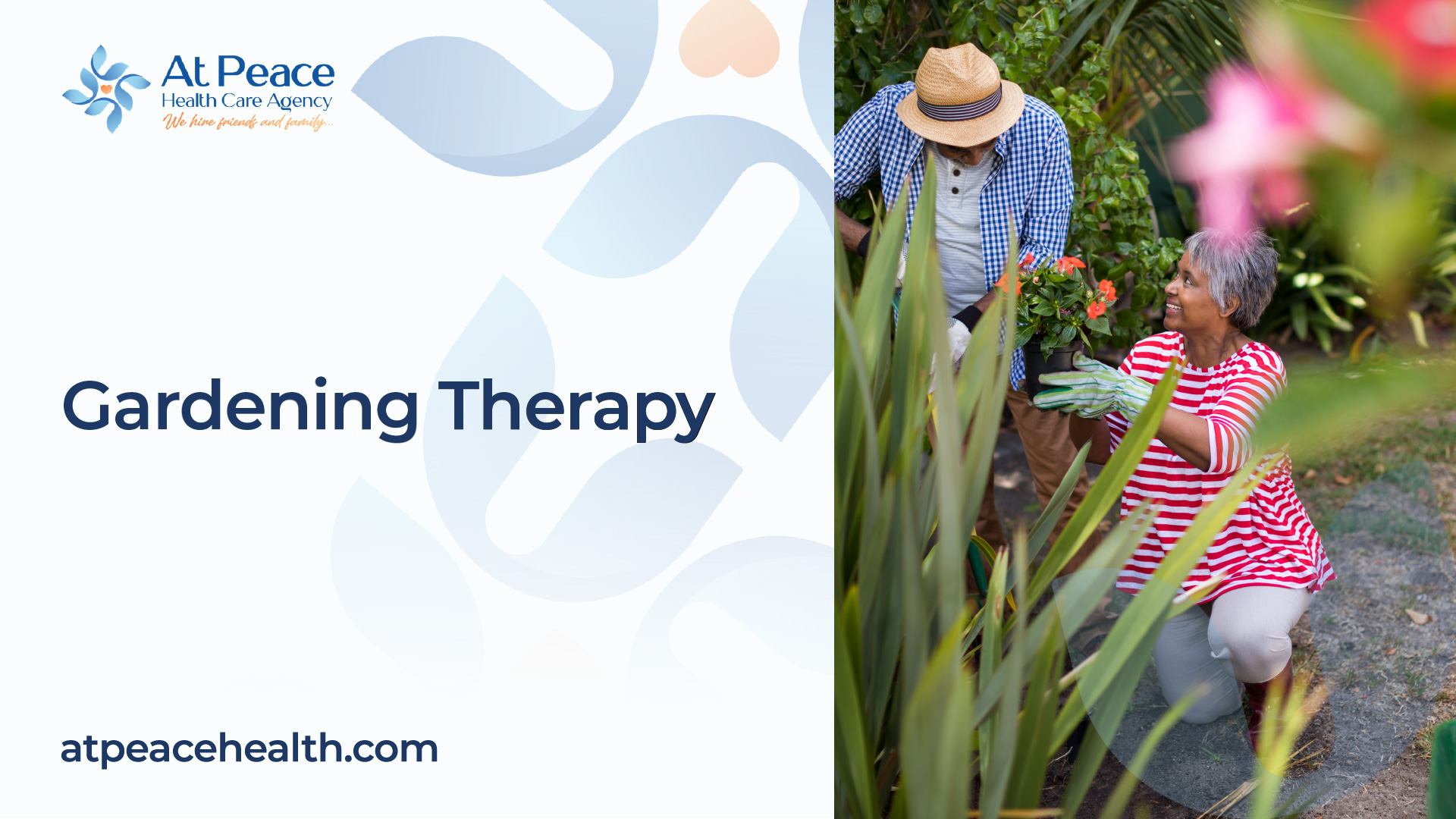
Gardening Therapy
Engaging in activities that promote physical and mental well-being is essential for seniors to lead fulfilling and active lives. One such activity is gardening therapy, which offers numerous benefits for seniors. In this section, we will explore the advantages of gardening for seniors and provide some helpful tips to get started.
Benefits of Gardening for Seniors
Gardening provides a range of physical, mental, and emotional benefits for seniors, making it an ideal activity for maintaining overall well-being.
- Physical Exercise: Gardening involves various physical movements such as digging, planting, weeding, and watering. These activities help seniors improve their strength, flexibility, and balance. Gardening for just 30 minutes can burn around 150-300 calories, depending on the intensity of the tasks involved.
- Stress Relief: Spending time in nature and tending to plants can have a calming and therapeutic effect, reducing stress and anxiety. The peaceful and serene environment of a garden provides an opportunity for seniors to relax and unwind.
- Improved Cognitive Function: Gardening requires planning, problem-solving, and decision-making, which can help stimulate cognitive function and maintain mental acuity. It also provides sensory stimulation through the sights, sounds, and smells of nature.
- Social Interaction: Gardening can be a social activity, allowing seniors to connect with others who share a passion for plants and gardening. Joining community gardens or participating in gardening clubs provides opportunities for socialization and the exchange of knowledge and experiences.
- Sense of Purpose and Accomplishment: Watching plants grow and flourish through their efforts can provide seniors with a sense of purpose and achievement. It boosts self-esteem and fosters a sense of accomplishment.
Tips for Seniors to Start Gardening
Getting started with gardening can be a rewarding experience for seniors. Here are some tips to help seniors embark on their gardening journey:
| Tip | Description |
|---|---|
| Choose the Right Tools | Opt for lightweight, ergonomic tools that are easy to handle and reduce strain on joints and muscles. |
| Start Small | Begin with a small garden plot or container gardening. This allows seniors to manage their gardening tasks effectively and gradually expand as they gain confidence and experience. |
| Consider Accessibility | Make sure the garden area is easily accessible. Raised beds or vertical gardening can minimize the need for bending or kneeling, making it more comfortable for seniors. |
| Select Low-Maintenance Plants | Choose plants that are easy to care for and require minimal maintenance. This ensures seniors can enjoy gardening without feeling overwhelmed. |
| Stay Safe in the Sun | Protect against harmful sun exposure by wearing a hat, using sunscreen, and gardening during cooler times of the day. Stay hydrated and take breaks when needed. |
| Seek Assistance if Necessary | Seniors who may face physical limitations or health concerns can consider seeking assistance from family members, friends, or local gardening services to ensure their safety and enjoyment in the garden. |
By embracing gardening therapy, seniors can reap the physical, mental, and emotional benefits it offers. It is a fulfilling and enjoyable activity that promotes an active and vibrant lifestyle for seniors.
Creative Arts and Crafts
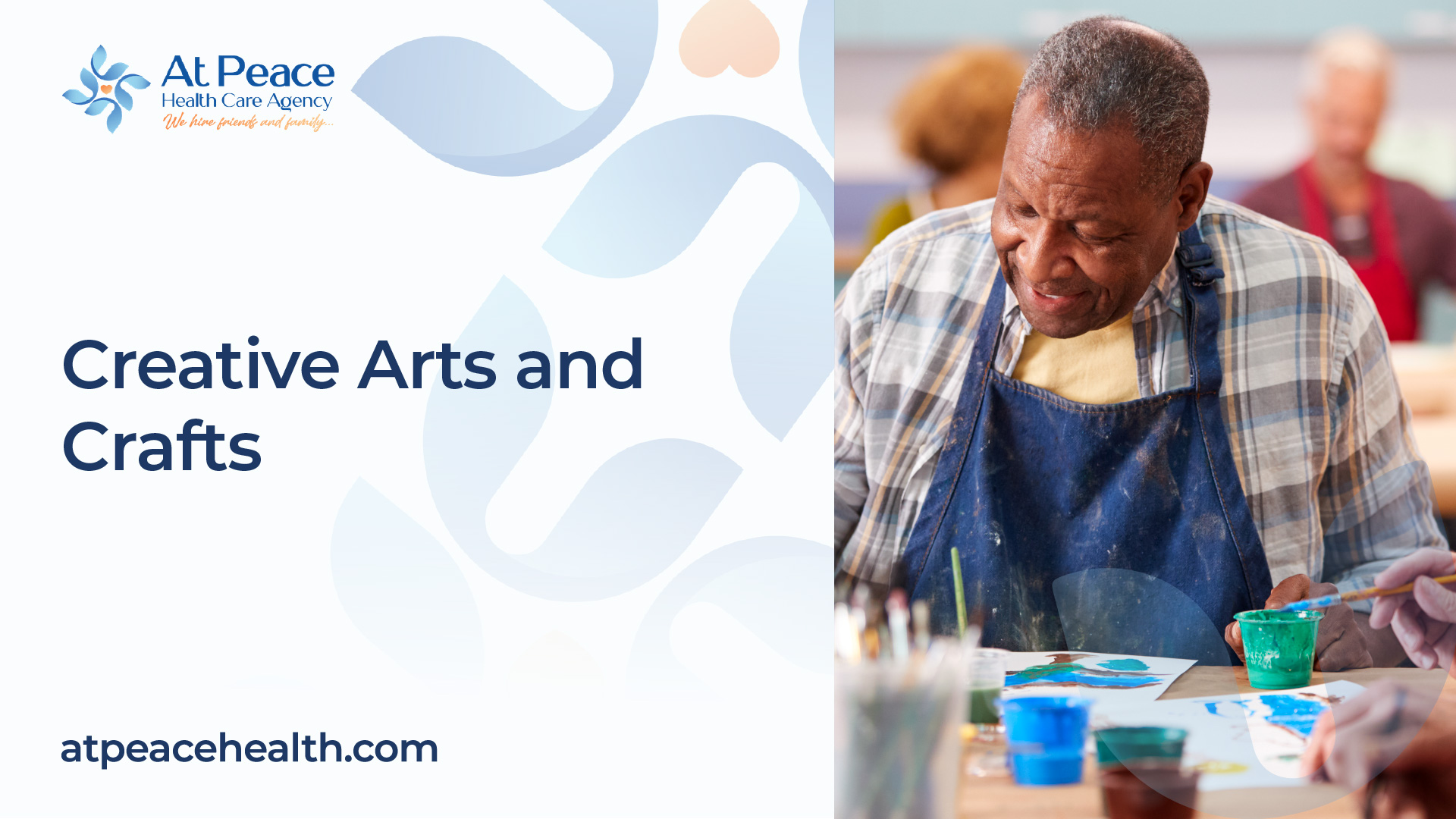
Engaging in creative arts and crafts activities can have therapeutic effects for seniors, providing them with a sense of purpose, accomplishment, and enjoyment. These activities not only stimulate the mind but also offer a creative outlet for self-expression. Let’s explore the therapeutic effects of art and crafts for seniors and some easy and fun craft ideas they can try.
Therapeutic Effects of Art and Crafts
Participating in art and crafts activities can have numerous benefits for seniors. Here are some of the therapeutic effects that these activities can have:
- Stress Reduction: Engaging in art and crafts can help seniors alleviate stress and anxiety, providing a sense of calm and relaxation.
- Improved Cognitive Function: Artistic activities stimulate the brain, promoting cognitive abilities such as memory, concentration, and problem-solving skills.
- Enhanced Fine Motor Skills: Engaging in crafts activities like painting, knitting, or sculpting can help seniors improve their dexterity and coordination.
- Emotional Well-being: Art and crafts activities allow seniors to express their emotions and feelings in a creative and constructive way, promoting emotional well-being.
- Social Connection: Participating in group art and crafts activities can foster social interaction and create a sense of community among seniors.
Easy and Fun Craft Ideas for Seniors
Here are some easy and enjoyable craft ideas that seniors can explore:
| Craft Idea | Materials Needed |
|---|---|
| Painting | Canvas, acrylic paints, paintbrushes |
| Collage Making | Assorted papers, glue, scissors |
| Pottery | Clay, pottery wheel, sculpting tools |
| Jewelry Making | Beads, string, clasps |
| Scrapbooking | Scrapbook album, decorative papers, stickers |
| Origami | Origami paper, folding instructions |
| Knitting or Crocheting | Yarn, knitting needles or crochet hooks |
| Decoupage | Decoupage glue, decorative paper or fabric, brushes |
| Woodworking | Wood, saw, sandpaper, paint |
| Candle Making | Wax, wicks, fragrance oils, molds |
Encouraging seniors to explore their creativity through art and crafts can provide a fulfilling and enjoyable experience. These activities can be adapted to individual preferences and abilities, allowing seniors to express themselves while reaping the therapeutic benefits.
Dance and Movement
Engaging in dance and movement activities is a wonderful way for seniors to stay physically active while having fun. Dancing offers numerous health benefits and can be enjoyed by individuals of all ages. In this section, we will explore the health benefits of dancing for seniors and highlight dance styles that are suitable for them.
Health Benefits of Dancing for Seniors
Dancing provides a wide range of physical and mental health benefits for seniors. Here are some of the key advantages:
- Cardiovascular Health: Dancing is a form of aerobic exercise that gets the heart pumping, improving cardiovascular health and strengthening the heart muscle.
- Improved Balance and Coordination: The movements involved in dancing help enhance balance and coordination, reducing the risk of falls and improving overall mobility.
- Enhanced Flexibility: Dance routines often involve stretching and reaching movements, which can improve flexibility and range of motion in joints and muscles.
- Stress Relief: Dancing is a fantastic stress-reliever, as it promotes the release of endorphins, which are natural mood-boosting hormones.
- Social Engagement: Participating in dance classes or group dance sessions provides an opportunity for social interaction and connection, reducing feelings of loneliness and isolation.
Dance Styles Suitable for Seniors
When it comes to dance styles suitable for seniors, it’s important to choose activities that are low-impact and cater to different fitness levels. Here are a few dance styles that are popular among seniors:
| Dance Style | Description |
|---|---|
| Line Dancing | Line dancing involves performing choreographed dance moves in a line or row. It’s a fun and social activity that doesn’t require a partner. |
| Ballroom Dancing | Ballroom dancing includes elegant partner dances like the waltz, foxtrot, and tango. It promotes coordination and balance while allowing seniors to enjoy the beauty of dance. |
| Square Dancing | Square dancing is a lively and sociable dance style that involves sets of four couples dancing in a square formation. It’s a great way to engage with others and follow a structured routine. |
| Zumba | Zumba is a fusion of dance and aerobic exercise, combining Latin and international music with easy-to-follow dance moves. It’s a high-energy activity that can be adapted to suit different fitness levels. |
| Tai Chi | Although not a traditional dance style, tai chi incorporates slow and graceful movements that promote balance, flexibility, and relaxation. It is often considered a meditative form of exercise. |
Seniors can choose the dance style that aligns with their interests and physical abilities. It’s important to start at a comfortable pace and gradually increase the intensity as confidence and fitness levels improve. Dance classes specifically designed for seniors are also available, providing a supportive and inclusive environment.
By incorporating dance and movement into their routine, seniors can not only improve their physical fitness but also experience the joy and social connection that comes with dancing. So put on some music, move to the beat, and let the rhythm revitalize your body and mind!
Mindfulness and Meditation
Engaging in mindfulness and meditation practices can bring a sense of calm and tranquility to the lives of seniors. These activities promote relaxation, reduce stress, and enhance overall well-being. In this section, we will explore the calming effects of mindfulness and meditation and provide some simple practices that seniors can incorporate into their daily routine.
Calming Effects of Mindfulness and Meditation
Mindfulness and meditation have been proven to have numerous benefits for seniors. These practices help to quiet the mind, reduce anxiety, and improve mental clarity. By focusing on the present moment and cultivating a non-judgmental awareness, seniors can experience a greater sense of calm and peace.
Studies have shown that regular mindfulness and meditation practices can lead to:
- Reduced stress levels
- Improved emotional well-being
- Enhanced cognitive function
- Better sleep quality
- Increased resilience and adaptability
Simple Meditation Practices for Seniors
Meditation does not have to be complicated or time-consuming. Seniors can start with short sessions and gradually increase the duration as they become more comfortable with the practice. Here are some simple meditation techniques that can be easily incorporated into their daily routine:
- Deep Breathing: Find a quiet and comfortable place to sit or lie down. Close the eyes and take slow, deep breaths. Focus on the sensation of the breath entering and leaving the body. This practice promotes relaxation and helps to center the mind.
- Body Scan: Sit or lie down in a comfortable position. Start by bringing attention to the feet and slowly work your way up through the body, paying attention to each body part. Notice any sensations or areas of tension, and consciously relax those muscles. This practice promotes body awareness and relaxation.
- Guided Visualization: Use recorded or online guided meditation sessions specifically designed for seniors. These guided visualizations can help seniors imagine peaceful and serene settings, allowing them to experience a sense of calm and tranquility.
- Walking Meditation: Take a slow and mindful walk, paying attention to the sensations in the body and the environment around. Focus on the movement of the feet, the feel of the ground beneath, and the sounds and sights of nature. This practice combines physical activity with mindfulness.
By incorporating these simple meditation practices into their routine, seniors can experience the calming effects and enjoy the numerous benefits that mindfulness and meditation have to offer. It is important to remember that meditation is a personal journey, and each individual may find different techniques more suitable for their needs. Encouraging seniors to explore and find what works best for them can help them embrace the peace and tranquility that mindfulness and meditation can bring.
Volunteer Opportunities
Engaging in volunteer activities can have a profound impact on the lives of seniors, offering them a sense of purpose, fulfillment, and social connection. In this section, we will explore the impact of volunteering on seniors and provide some volunteer ideas that are well-suited for this age group.
Impact of Volunteering on Seniors
Volunteering provides numerous benefits for seniors, both for their mental and physical well-being. Here are some ways in which volunteering can make a positive impact:
- Sense of Purpose: Volunteering gives seniors a sense of purpose and meaning in their lives. It allows them to contribute to their communities, feel valued, and make a difference in the lives of others.
- Social Connection: Volunteering provides opportunities for seniors to connect with people of different age groups and backgrounds. This social interaction helps combat feelings of loneliness and isolation, promoting overall mental and emotional well-being.
- Physical Activity: Many volunteer activities involve physical movement, such as gardening, walking, or assisting in community events. Engaging in these activities helps seniors stay physically active and maintain their mobility.
- Mental Stimulation: Volunteering can provide mental stimulation and cognitive challenges. It keeps the mind engaged, promotes learning, and helps seniors develop new skills or utilize existing ones.
Volunteer Ideas for Seniors
There are numerous volunteer opportunities available that cater to the unique interests and abilities of seniors. Here are some volunteer ideas that seniors may find fulfilling:
| Dance Style | Description |
|---|---|
| Line Dancing | Line dancing involves performing choreographed dance moves in a line or row. It’s a fun and social activity that doesn’t require a partner. |
| Ballroom Dancing | Ballroom dancing includes elegant partner dances like the waltz, foxtrot, and tango. It promotes coordination and balance while allowing seniors to enjoy the beauty of dance. |
| Square Dancing | Square dancing is a lively and sociable dance style that involves sets of four couples dancing in a square formation. It’s a great way to engage with others and follow a structured routine. |
| Zumba | Zumba is a fusion of dance and aerobic exercise, combining Latin and international music with easy-to-follow dance moves. It’s a high-energy activity that can be adapted to suit different fitness levels. |
| Tai Chi | Although not a traditional dance style, tai chi incorporates slow and graceful movements that promote balance, flexibility, and relaxation. It is often considered a meditative form of exercise. |
These are just a few examples of the volunteer opportunities available for seniors. It’s important for seniors to find activities that align with their interests, skills, and physical capabilities. By giving back to their communities through volunteering, seniors can enhance their own well-being while making a meaningful impact on the lives of others.
Technology and Learning
In today’s digital age, technology plays a vital role in the lives of people of all ages, including seniors. Embracing technology can open up a world of opportunities for learning and personal growth. In this section, we will explore the importance of technology for seniors and highlight some online courses and educational resources specifically designed to cater to their needs.
Importance of Technology for Seniors
Technology can bring numerous benefits to seniors, enhancing their overall well-being and quality of life. Here are a few reasons why technology is important for seniors:
- Connectivity: Technology allows seniors to stay connected with their loved ones, friends, and communities, even if they are physically distant. Tools like video calls and social media platforms enable seniors to maintain social connections and combat feelings of isolation.
- Access to Information: The internet provides a vast amount of information at seniors’ fingertips. They can use search engines to find answers to their questions, learn about new topics, and stay updated on current events.
- Cognitive Stimulation: Engaging with technology, such as using smartphones, tablets, or computers, helps seniors keep their minds active and sharp. Learning new skills and solving puzzles or brain games can improve cognitive function and memory.
- Convenience and Independence: Technology offers convenience and independence to seniors. They can shop online for groceries, manage their finances, and access various services without leaving their homes.
Online Courses and Educational Resources for Seniors
There are numerous online courses and educational resources available that are specifically tailored to the needs and interests of seniors. These platforms offer a wide range of subjects, allowing seniors to continue learning and exploring new areas of knowledge. Here are some popular online resources for seniors:
| Platform | Description |
|---|---|
| Coursera | Offers a variety of online courses from top universities and institutions. Seniors can explore subjects like history, literature, science, and more. |
| Khan Academy | Provides free educational resources and tutorials on a wide range of subjects, including math, science, arts, and humanities. |
| TED Talks | Features inspiring and informative talks by experts in various fields. Seniors can gain insights and knowledge on diverse topics through engaging presentations. |
| SeniorNet | A nonprofit organization that offers computer and technology training for seniors. They provide courses on basic computer skills, internet usage, and more. |
| AARP | The American Association of Retired Persons (AARP) offers online resources, articles, and courses on topics relevant to seniors, including health, finance, and technology. |
These online platforms provide seniors with the opportunity to continue their education, explore new interests, and stay intellectually engaged. It’s important for seniors to choose subjects that cater to their individual preferences and abilities, ensuring a fulfilling and enjoyable learning experience.
By embracing technology and taking advantage of the wealth of online courses and educational resources available, seniors can continue to expand their knowledge, enhance their skills, and stay mentally stimulated, contributing to a vibrant and fulfilling life.
Sources
https://lovinghomecareinc.com/unique-activities-for-seniors
https://www.storypoint.com/indoor-activities-for-seniors
https://amyseden.com/unique-activities-for-seniors
https://www.theterracesatbonitasprings.com/unique-activities-for-seniors
https://www.suddenlysenior.com/activities-for-seniors


