
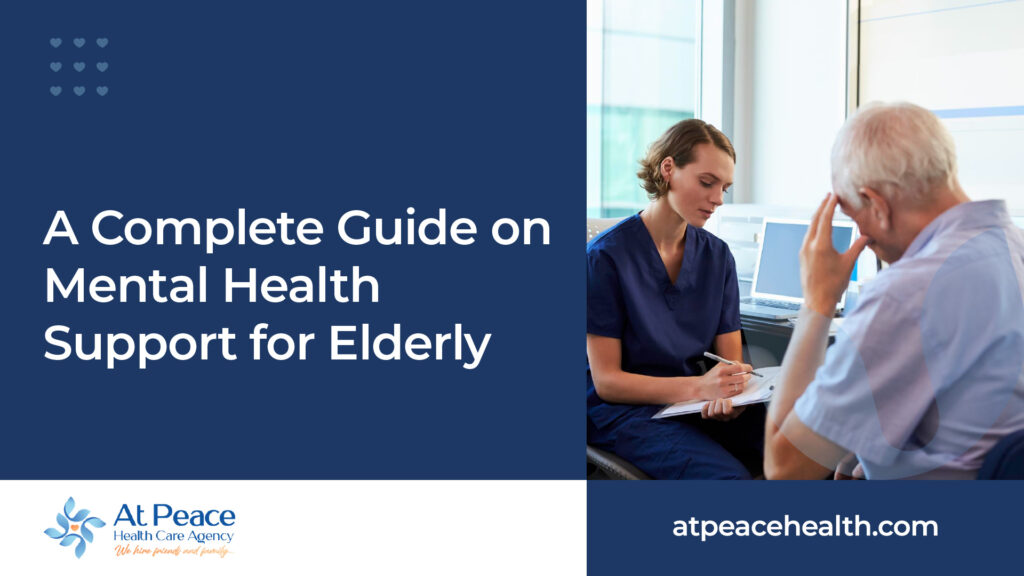
Understanding the Importance of Mental Health Support for the Elderly
As individuals age, their mental health becomes increasingly important. Providing adequate support for the mental well-being of the elderly is crucial to ensure their overall quality of life. In this section, we will explore the impact of aging on mental health and the benefits of emotional well-being in the elderly.
Impact of Aging on Mental Health
Aging brings about various changes in both the body and mind. As individuals grow older, they may experience physical ailments, loss of loved ones, or changes in their social roles. These factors can contribute to an increased risk of mental health challenges in the elderly.
Mental Health Challenges and Prevalence in Elderly Population
| Mental Health Challenge | Prevalence in Elderly Population |
|---|---|
| Depression | 7-20% |
| Anxiety | 5-10% |
| Social Isolation | 43% of individuals aged 60 and above |
Benefits of Emotional Well-being in the Elderly
Promoting emotional well-being in the elderly has numerous positive impacts on their overall health and quality of life. Maintaining good mental health can help older individuals:
- Enhance their cognitive abilities and memory.
- Improve their ability to cope with stress and life changes.
- Strengthen their immune system, leading to better physical health.
- Maintain and strengthen social connections, reducing the risk of social isolation.
- Increase their overall life satisfaction and happiness.
By prioritizing mental health support for the elderly, we can help them lead fulfilling lives and age with grace. The following sections will explore common mental health challenges faced by the elderly and strategies to promote emotional well-being in more detail.
Common Mental Health Challenges Faced by the Elderly
As individuals age, they may encounter various mental health challenges that can significantly impact their overall well-being. It’s important to understand these challenges in order to provide the necessary support and care. The following are three common mental health challenges faced by the elderly: depression, anxiety, and social isolation.
Depression
Depression is a prevalent mental health condition that can affect people of all ages, including the elderly. It is characterized by persistent feelings of sadness, loss of interest in activities, and a general lack of energy. Depression can have a profound impact on an individual’s quality of life and can lead to physical health problems if left untreated.
According to studies, approximately 7% of adults aged 60 years and older experience depression. It is crucial to recognize the signs and symptoms of depression in the elderly, which may include:
- Persistent sadness or feelings of emptiness
- Loss of interest in previously enjoyed activities
- Changes in appetite and weight loss
- Sleep disturbances (insomnia or excessive sleep)
- Fatigue or lack of energy
- Feelings of worthlessness or excessive guilt
- Difficulty concentrating or making decisions
- Thoughts of death or suicide
If you suspect that an elderly person is experiencing depression, it is important to encourage them to seek professional help. Treatment options may include therapy, medication, or a combination of both. Additionally, providing emotional support, engaging in regular social interactions, and encouraging participation in enjoyable activities can also contribute to the overall well-being of individuals with depression.
Anxiety
Anxiety is another common mental health challenge faced by the elderly. It involves excessive worry or fear that is persistent and difficult to control. Anxiety can manifest in various ways, such as generalized anxiety disorder, panic disorder, or specific phobias.
Research suggests that approximately 14% of older adults experience anxiety symptoms. The signs and symptoms of anxiety in the elderly may include:
- Excessive worrying or feeling restless
- Irritability or agitation
- Difficulty concentrating or sleeping
- Muscle tension or aches
- Avoidance of certain situations or places
If an elderly person is experiencing anxiety, it is important to offer support and understanding. Encouraging them to seek professional help is crucial for proper diagnosis and treatment. Treatment options for anxiety may include therapy, relaxation techniques, and medication if necessary.
Social Isolation
Social isolation is a significant mental health challenge among the elderly. It refers to a lack of social interactions and meaningful connections with others. Social isolation can lead to feelings of loneliness, which can have detrimental effects on mental health.
According to studies, approximately 17% of older adults experience social isolation. The factors contributing to social isolation in the elderly can include retirement, loss of loved ones, physical limitations, and mobility issues.
Recognizing the signs of social isolation in the elderly is important. These signs may include:
- Withdrawing from social activities and events
- Decreased interest in maintaining relationships
- Spending excessive time alone
- Feelings of loneliness or sadness
To address social isolation, it is crucial to encourage the elderly to engage in social activities and maintain connections with family, friends, and the community. Involvement in senior centers, volunteer work, or joining interest groups can help foster social connections and combat feelings of isolation.
By understanding these common mental health challenges faced by the elderly, we can provide the necessary support and resources to promote their emotional well-being. It is essential to recognize the signs and encourage individuals to seek professional help when needed. Supporting their mental health can contribute to a healthier and more fulfilling life in their golden years.

Strategies for Promoting Emotional Well-being
To ensure the emotional well-being of the elderly, it is essential to implement strategies that prioritize their mental health. Here are three effective approaches: encouraging social connections, engaging in meaningful activities, and seeking professional help when needed.
Encouraging Social Connections
Social connections play a vital role in promoting emotional well-being among the elderly. Encouraging regular social interactions can help combat feelings of loneliness and isolation, which are common challenges faced by many seniors. By fostering connections with family, friends, and community members, the elderly can experience a sense of belonging and support.
Here are some ways to encourage social connections:
- Organize regular social gatherings or events for the elderly in the community.
- Encourage participation in group activities, such as clubs or hobby groups.
- Facilitate communication through technology, such as video calls or social media platforms, for those who may have limited mobility or live far away from loved ones.
Engaging in Meaningful Activities
Engaging in meaningful activities provides a sense of purpose and fulfillment for the elderly. These activities can vary based on individual interests and abilities, but they should be stimulating and enjoyable. By participating in activities they find meaningful, seniors can experience a boost in their emotional well-being and overall quality of life.
Consider the following meaningful activities:
- Pursuing hobbies or interests, such as gardening, painting, or playing a musical instrument.
- Volunteering for community organizations or charities.
- Participating in gentle exercises or joining fitness classes designed for seniors.
Seeking Professional Help When Needed
Sometimes, additional support from mental health professionals may be necessary to address specific challenges faced by the elderly. It is crucial to recognize when professional help is required and encourage seniors to seek assistance without hesitation. Mental health professionals can provide guidance, therapy, and interventions tailored to the unique needs of the elderly population.
Here are some signs that may indicate the need for professional help:
- Persistent feelings of sadness, hopelessness, or anxiety.
- Significant changes in appetite, sleep patterns, or energy levels.
- Withdrawal from social activities or relationships.
- Difficulty coping with daily tasks or managing emotions.
By recognizing these signs and encouraging seniors to seek professional help, we can ensure that they receive the necessary support to maintain their emotional well-being.
Promoting emotional well-being among the elderly requires a multifaceted approach that includes encouraging social connections, engaging in meaningful activities, and providing access to professional help when needed. By implementing these strategies, we can help improve the mental health and overall quality of life for our elderly population.

Creating a Supportive Environment
Creating a supportive environment is crucial for promoting the mental health and emotional well-being of the elderly. By providing caregiver support and ensuring access to necessary mental health resources, we can help enhance their quality of life.
Importance of Caregiver Support
Caregiver support plays a vital role in the mental health of the elderly. As individuals age, they may face various challenges that can impact their emotional well-being. Caregivers, whether family members, friends, or professionals, can provide valuable support and assistance during these times.
Supportive caregivers can help alleviate feelings of loneliness, anxiety, and depression that the elderly may experience. They can offer companionship, engage in meaningful conversations, and actively listen to their concerns. Caregivers also play a crucial role in encouraging and facilitating participation in social activities, which can foster a sense of belonging and purpose.
Benefits of Caregiver Support
- Reduces feelings of loneliness and isolation
- Provides companionship and emotional support
- Encourages participation in social activities
- Helps alleviate symptoms
Providing Access to Mental Health Resources
Access to mental health resources is essential for the elderly to receive the support they need. It is crucial to ensure that mental health services are readily available and easily accessible to this population. By providing access to resources such as therapists, counselors, and support groups, we can help address the unique mental health challenges faced by the elderly.
In addition to professional support, it is also important to educate caregivers and family members about mental health issues specific to the elderly. This knowledge empowers them to recognize signs of distress and provide appropriate assistance. Community organizations and healthcare providers can play a significant role in disseminating information and organizing mental health programs tailored to the needs of the elderly.
Mental Health Resources for the Elderly
- Therapists and counselors specializing in geriatric mental health
- Support groups for elderly individuals
- Educational materials and workshops for caregivers
- Helplines and crisis intervention services
- Community programs focused on mental health
By creating a supportive environment that emphasizes caregiver support and provides access to mental health resources, we can contribute to the overall emotional well-being of the elderly. These efforts help ensure that they receive the necessary support, care, and resources to maintain good mental health and enjoy a fulfilling and meaningful life.
Self-Care Tips for the Elderly
Taking care of one’s mental health is crucial, especially for the elderly population. By prioritizing physical health, incorporating relaxation techniques, and maintaining a positive outlook, seniors can promote their emotional well-being and overall mental health.
Prioritizing Physical Health
Maintaining good physical health plays a vital role in supporting mental well-being. Here are some self-care tips for the elderly to prioritize their physical health:
- Exercise regularly: Engaging in physical activity, such as walking, swimming, or yoga, can boost mood, reduce stress, and improve overall health. Aim for at least 30 minutes of moderate-intensity exercise most days of the week.
- Follow a balanced diet: Eating a nutritious and well-balanced diet can provide essential nutrients that support brain function and overall well-being. Include fruits, vegetables, whole grains, lean proteins, and healthy fats in your meals.
- Get enough sleep: Adequate sleep is essential for both physical and mental health. Establish a regular sleep schedule and create a relaxing bedtime routine to improve the quality of your sleep.
Incorporating Relaxation Techniques
Relaxation techniques can help seniors reduce stress, manage anxiety, and improve their emotional well-being. Here are some techniques that can be beneficial:
- Deep breathing exercises: Practice deep breathing by inhaling deeply through your nose and exhaling slowly through your mouth. This technique can help calm the mind and relax the body.
- Meditation or mindfulness: Engage in meditation or mindfulness practices to focus your attention on the present moment and cultivate a sense of calm and clarity.
- Engage in hobbies: Pursue activities that bring joy and relaxation. This could include reading, gardening, painting, listening to music, or any other hobby that helps you unwind and find inner peace.
Maintaining a Positive Outlook
Maintaining a positive outlook can significantly impact mental well-being. Here are some strategies to foster a positive mindset:
- Practice gratitude: Take time each day to reflect on the things you are grateful for. This can help shift your focus to the positive aspects of life and enhance your overall mood.
- Engage in positive self-talk: Replace negative self-talk with positive and affirming thoughts. Remind yourself of your strengths, achievements, and the value you bring to the world.
- Stay socially connected: Maintain strong social connections with friends, family, and community members. Engaging in meaningful social interactions can contribute to a sense of belonging, purpose, and happiness.
By prioritizing physical health, incorporating relaxation techniques, and maintaining a positive outlook, the elderly can take proactive steps in promoting their emotional well-being. These self-care practices can contribute to a better quality of life and support mental health throughout the aging process.
Sources
https://www.renaissancehomehc.com/mental-health-support-for-elderly
https://www.palmmedicalcenters.com/a-guide-to-understanding-mental-health-care-for-senior-citizens
https://flourishinplace.com/the-ultimate-guide-to-senior-mental-health
https://www.asccare.com/senior-mental-health-support


