
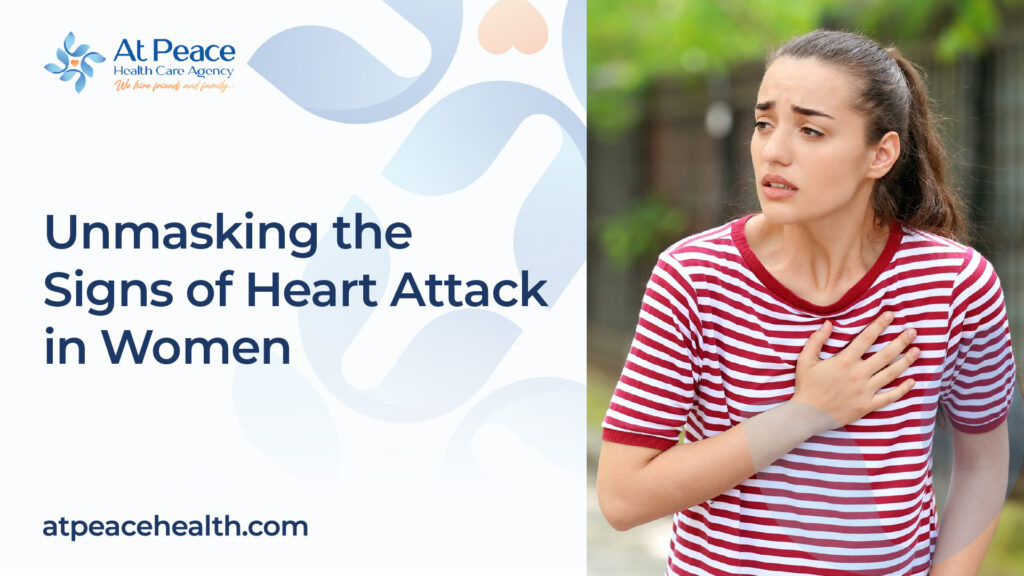
Recognizing the Signs of a Heart Attack
When it comes to heart attacks, early recognition of the signs and symptoms is crucial for prompt medical attention. Understanding the importance of recognizing these signs can make a significant difference in saving lives. It’s also important to note that the symptoms of a heart attack can differ between men and women. Let’s explore the significance of early recognition and the key differences in heart attack symptoms in women.
Understanding the Importance of Early Recognition
Recognizing the signs of a heart attack early on can be a matter of life or death. Every minute counts when it comes to seeking medical attention for a heart attack. The quicker medical intervention is initiated, the greater the chances of minimizing damage to the heart muscle and improving the prognosis. Delay in recognizing the symptoms and seeking help can lead to severe complications or even fatal outcomes.
Knowing the signs of a heart attack and being able to identify them promptly is essential. It is especially important for individuals who are at a higher risk of heart attacks due to factors such as age, family history, or underlying health conditions. Understanding the symptoms can empower individuals to take immediate action and potentially save their own lives or the lives of others.

Key Differences in Heart Attack Symptoms in Women
Heart attack symptoms can vary between men and women. Women may experience symptoms that are different from the classic signs typically associated with heart attacks. While chest pain or discomfort is a common symptom for both men and women, women may also experience some atypical symptoms that are not immediately associated with heart attacks.
Some key differences in heart attack symptoms in women include:
| Symptom | Description |
|---|---|
| Fatigue or Weakness | Unusual tiredness or a feeling of exhaustion without any apparent reason. |
| Nausea or Vomiting | Feeling nauseous or experiencing vomiting, sometimes without any digestive distress. |
| Pain in the Upper Body | Discomfort or pain in areas such as the jaw, neck, back, or arms. |
| Cold Sweats | Sudden, unexplained sweating or a cold, clammy feeling. |
It’s important to note that women may experience these symptoms in isolation or in combination with other symptoms. The absence of chest pain does not necessarily rule out a heart attack, and any unusual or persistent symptoms should be taken seriously. If you experience any of these symptoms or suspect a heart attack, it is crucial to seek medical attention immediately.
Recognizing the signs of a heart attack and understanding the differences in symptoms for women is vital for timely intervention. By being aware of these signs, individuals can take appropriate action and potentially prevent severe consequences.

Common Symptoms of a Heart Attack in Women
When it comes to heart attacks, it’s crucial to recognize the common symptoms, especially in women who may experience different signs compared to men. Understanding these symptoms can help in early detection and prompt medical intervention. Here are some common signs of a heart attack in women:
Chest Discomfort or Pain
Chest discomfort or pain is a classic symptom of a heart attack in both men and women. However, women may experience different sensations compared to men. Rather than a severe, crushing pain, women may feel a discomfort, pressure, or squeezing sensation in the chest. This discomfort may come and go or feel like heartburn. It’s essential not to dismiss any chest discomfort and seek medical attention promptly.
Shortness of Breath
Shortness of breath is another common symptom that women may experience during a heart attack. It can occur with or without chest discomfort. Women may feel breathless even during minimal physical exertion or at rest. This shortness of breath can be sudden and unexplained, which is a cause for concern.
Fatigue or Weakness
Unexplained fatigue or weakness can be an early warning sign of a heart attack in women. They may feel excessively tired, even after minimal physical activity or at times when they would normally feel energized. This fatigue may persist for days or weeks leading up to a heart attack.
Nausea or Vomiting
Nausea or vomiting can also be indicators of a heart attack in women. Some women may experience a feeling of indigestion, stomach discomfort, or abdominal pain. These symptoms may be mistaken for gastrointestinal issues, but it’s important to be aware of their association with heart attacks.
Pain in the Upper Body
During a heart attack, women may experience pain or discomfort in areas other than the chest. This pain can radiate to the arms, back, neck, jaw, or even the stomach. Women may describe this pain as aching, pressure, tightness, or a sensation of being squeezed.
Cold Sweats
Sudden cold sweats or breaking out into a clammy sweat can be an alarming sign of a heart attack in women. These sweats may occur without any apparent reason and are often accompanied by other symptoms mentioned above.
Recognizing these common symptoms is vital, as early intervention can greatly improve the chances of a positive outcome. If you or someone you know is experiencing any of these signs, it’s essential to take them seriously and seek medical attention immediately. For more information on heart attack prevention, risk factors, and natural ways to reduce the risk, visit their articles on risk factors for heart attack, heart attack prevention diet, exercises to prevent heart attack, and natural ways to prevent heart attack.
Less Common Symptoms of a Heart Attack in Women
While chest discomfort and shortness of breath are commonly associated with heart attacks, it’s important to be aware of other, less common symptoms that women may experience. Recognizing these signs can be crucial in identifying a heart attack and seeking timely medical attention. Here are some less common symptoms that women may experience during a heart attack:
Jaw Pain
Jaw pain, particularly pain in the lower jaw, can be a less common symptom of a heart attack in women. This pain may radiate from the chest to the jaw or may be felt solely in the jaw area. It’s important not to dismiss jaw pain as a harmless symptom, especially if it is accompanied by other signs such as chest discomfort or shortness of breath.
Back Pain
Back pain can also be a less typical symptom of a heart attack in women. The pain may be felt in the upper back, between the shoulder blades, or even in the lower back. Back pain associated with a heart attack may come and go or persist for an extended period. It’s essential to be attentive to any unexplained back pain, particularly if it is accompanied by other heart attack symptoms.
Dizziness or Lightheadedness
Feeling dizzy or lightheaded can be a less recognized symptom of a heart attack in women. These sensations may arise suddenly or gradually, and they can be accompanied by other symptoms such as chest discomfort, shortness of breath, or nausea. If you experience unexplained dizziness or lightheadedness, it’s important to consider the possibility of a heart attack and seek immediate medical attention.
Flu-like Symptoms
Flu-like symptoms, such as fatigue, body aches, and nausea, can sometimes be associated with a heart attack in women. These symptoms may be mistaken for a common illness, leading to delayed recognition of a heart attack. If you experience flu-like symptoms that are unusual or severe, particularly if they are accompanied by other signs of a heart attack, it’s important to take them seriously and seek medical evaluation.
It’s important to note that these less common symptoms can vary in intensity and may be accompanied by more typical signs of a heart attack, such as chest discomfort or shortness of breath. If you or someone you know experiences any of these symptoms, it’s crucial to seek immediate medical attention. Remember, recognizing the signs of a heart attack and acting promptly can greatly increase the chances of a positive outcome.
Unmasking the Silent Signs
While heart attacks often come with recognizable symptoms, it is important to be aware that some heart attacks in women may present with silent signs or atypical symptoms. Understanding these variations is crucial for early recognition and prompt medical intervention.
Silent Heart Attacks in Women
Silent heart attacks, also known as silent ischemia, occur when there is a lack of blood flow to the heart without the presence of typical symptoms. These heart attacks can go unnoticed or be mistaken for less severe conditions, leading to delayed medical attention.
In women, silent heart attacks may occur more frequently than in men. This is partly due to the fact that women may experience symptoms that are not commonly associated with heart attacks. It is important to be vigilant and recognize the following potential signs:
Silent Signs of a Heart Attack in Women
Mild discomfort in the chest
Fatigue
Shortness of breath
Indigestion-like symptoms, such as heartburn
If you experience any of these symptoms, especially if they are persistent or recurring, it is important to seek medical evaluation, even if they seem mild. Early detection and treatment can help prevent further damage to the heart.
Atypical Presentations of Heart Attacks in Women
In addition to silent heart attacks, women may also experience atypical presentations of heart attacks. These atypical symptoms may differ from the classic signs typically associated with heart attacks. It is crucial to be aware of these variations to ensure timely medical attention:
Atypical Symptoms of a Heart Attack in Women
Jaw pain
Back pain
Dizziness or lightheadedness
Flu-like symptoms, such as nausea and vomiting
These atypical symptoms may be easily dismissed or attributed to other causes, leading to a delay in seeking medical help. It is important to listen to your body and take any potential signs of a heart attack seriously.
Recognizing the signs of a heart attack, including both the common and atypical symptoms, can be life-saving. If you have any risk factors for heart attack, such as high blood pressure, high cholesterol, or a family history of heart disease, it is important to be especially vigilant. Regular check-ups, maintaining a heart-healthy lifestyle, and being aware of the signs and symptoms can significantly reduce the risk of heart attacks.
When to Seek Medical Attention
Recognizing the signs of a heart attack in women is crucial for prompt medical intervention. It’s important to take any potential symptoms seriously and seek medical attention immediately. Here are some key points to consider:
Taking Symptoms Seriously
When it comes to heart attacks, it’s essential to take any symptoms seriously, especially if you are a woman. While the classic symptoms of a heart attack, such as chest pain or discomfort, are well-known, it’s important to understand that women may experience different or atypical symptoms. Familiarize yourself with the common and less common signs of a heart attack in women, as discussed in our previous sections.
If you experience any unusual or persistent symptoms that cause concern, it’s crucial not to dismiss them. Ignoring or downplaying the symptoms could delay diagnosis and treatment, potentially putting your health at risk. Trust your instincts and seek medical attention promptly.
Calling Emergency Services
If you or someone around you is experiencing symptoms that could indicate a heart attack, call emergency services immediately. In the United States, dial 911 or the designated emergency number in your country. Emergency medical professionals are trained to respond quickly and provide the necessary care in a time-sensitive situation.
When calling emergency services, provide them with accurate information about the symptoms being experienced. Mention that you suspect a heart attack, particularly if the symptoms align with the signs discussed earlier. The operator will guide you on what to do while waiting for medical help to arrive.
Importance of Prompt Medical Evaluation
Receiving prompt medical evaluation is vital when dealing with a potential heart attack. Once emergency services arrive, they will assess the situation and transport you to the nearest hospital equipped to handle cardiac emergencies. At the hospital, medical professionals will conduct a thorough evaluation, which may include tests such as an electrocardiogram (ECG), blood tests, and imaging studies.
Remember, time is of the essence when it comes to treating a heart attack. The sooner medical intervention occurs, the better the chances of minimizing damage to the heart muscle and improving the overall prognosis.
By taking the symptoms seriously, calling emergency services, and seeking prompt medical evaluation, you are taking crucial steps to ensure timely and appropriate care in the event of a heart attack. It’s essential to understand the signs and act swiftly, as early intervention can make a significant difference in the outcome.
FAQs
Can heart attacks be prevented?
Yes, heart attacks can be prevented by adopting a healthy lifestyle and following some simple tips such as quitting smoking, eating a healthy diet, exercising regularly, keeping your blood pressure in check, managing stress, getting enough sleep, and limiting alcohol intake.
How does smoking increase the risk of heart attack?
Smoking damages your blood vessels and makes it easier for clots to form. It also increases your heart rate and blood pressure which puts extra strain on your heart.
What are some examples of lean proteins that can be included in a healthy diet?
Some examples of lean proteins include chicken breast, fish, tofu, beans, lentils, and low-fat dairy products.
How much exercise is necessary to reduce the risk of heart disease?
Aim for at least 30 minutes of moderate exercise most days of the week. This can include activities such as brisk walking, cycling or swimming.
What are some effective ways to manage stress?
Some effective ways to manage stress include meditation, yoga or other forms of physical activity like running or dancing. You can also talk to a therapist or counselor if you need additional support.
How does lack of sleep increase the risk of heart disease?
Lack of sleep can lead to high blood pressure and inflammation which are both risk factors for heart disease. It can also affect your overall health and well-being.
Conclusion
By following these heart attack prevention tips, you can reduce your risk of heart disease and maintain a healthy heart. Remember to always consult your doctor before making any major lifestyle changes. Taking care of your heart can help you live a long and healthy life.
Sources
1. https://www.hsph.harvard.edu/cardiovascular-disease/
2. https://www.mayoclinic.org/heart-disease/heart-disease/
3. https://www.heart.org/lifestyle-changes-for-heart-attack-prevention
4. https://www.everydayhealth.com/heart-attack/prevention/
5. https://www.fda.gov/consumers/tips-women-prevent-heart-disease


