
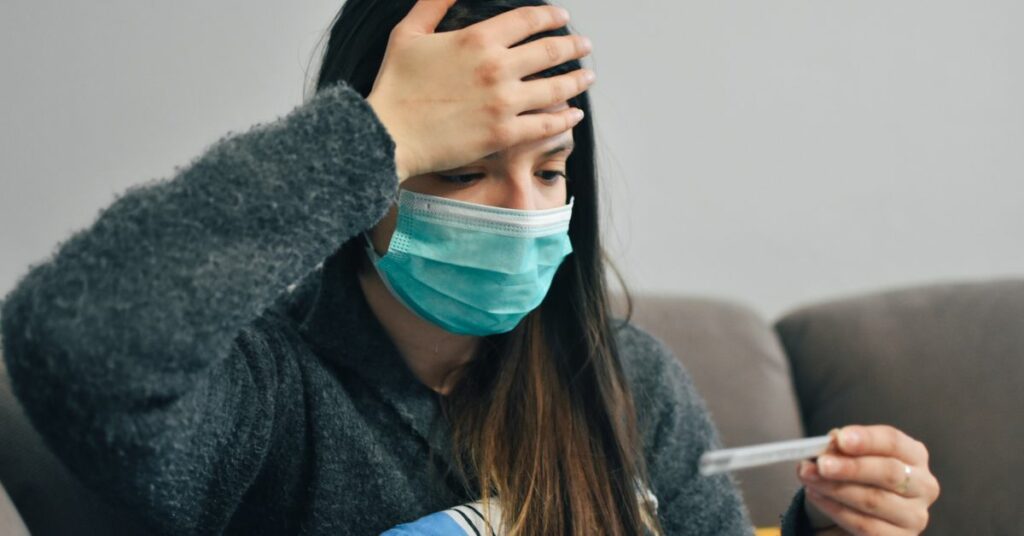
Understanding COVID-19
As a caregiver, it is essential to have a comprehensive understanding of COVID-19 in order to effectively navigate the challenges it presents. This section provides an overview of what COVID-19 is, how it spreads, and the risks and vulnerabilities associated with the virus.
What is COVID-19?
COVID-19, short for Coronavirus Disease 2019, is an infectious illness caused by the severe acute respiratory syndrome coronavirus 2 (SARS-CoV-2). It was first identified in late 2019 in Wuhan, China, and has since become a global pandemic. COVID-19 primarily affects the respiratory system, causing symptoms ranging from mild to severe. It is important to note that individuals can be infected with the virus and transmit it to others even if they do not exhibit symptoms themselves.
How Does COVID-19 Spread?
COVID-19 primarily spreads through respiratory droplets when an infected person coughs, sneezes, talks, or breathes heavily. These droplets can enter the bodies of individuals nearby through the nose, mouth, or eyes. The virus can also spread by touching contaminated surfaces or objects and then touching the face, although this is not the main mode of transmission.
It is important to maintain good hand hygiene, practice proper respiratory etiquette by covering your mouth and nose when coughing or sneezing, and regularly clean and disinfect frequently touched surfaces to minimize the risk of transmission. For more detailed guidance on these essential safety measures, refer to the section on Essential Safety Measures in this caregiver guide.
Risks and Vulnerabilities
Certain groups of individuals may be at higher risk of developing severe illness if infected with COVID-19. These include older adults, individuals with underlying medical conditions such as heart disease, diabetes, or respiratory conditions, and those with compromised immune systems. As a caregiver, it is important to be aware of these risks and take extra precautions when providing care to vulnerable individuals.
Additionally, caregivers themselves may face increased risks due to close contact with infected individuals. It is crucial to prioritize personal protective measures and follow recommended guidelines to protect both yourself and the care recipient. For more information on the specific responsibilities of a caregiver during the COVID-19 pandemic, refer to their article on COVID-19 caregiver responsibilities.
By understanding the nature of COVID-19, its modes of transmission, and the risks associated with the virus, caregivers can take appropriate measures to protect themselves and the individuals under their care. Stay informed, follow reliable sources of information, and refer to local health department guidelines for the most up-to-date guidance on navigating the challenges posed by COVID-19.
Essential Safety Measures
To ensure the safety of both caregivers and patients during the COVID-19 pandemic, it is crucial to implement essential safety measures. By following proper hand hygiene, respiratory etiquette, mask usage, and social distancing guidelines, you can help reduce the risk of transmission. Let’s explore these safety measures in detail.
Hand Hygiene and Respiratory Etiquette
Frequent and thorough hand hygiene is one of the most effective ways to prevent the spread of COVID-19. Caregivers and patients should wash their hands with soap and water for at least 20 seconds, especially after being in public areas, before eating, and after using the restroom. If soap and water are not readily available, the use of hand sanitizer with at least 60% alcohol is recommended.
In addition to hand hygiene, practicing proper respiratory etiquette is essential. Caregivers and patients should cover their mouth and nose with a tissue or the inside of their elbow when coughing or sneezing. Used tissues should be disposed of immediately and hands should be washed afterward.
Proper Mask Usage
Wearing masks is an important safety measure to prevent the spread of COVID-19. Caregivers and patients should wear masks in public settings and when around people who are not part of their household. Masks should cover the nose and mouth completely, and individuals should avoid touching the mask or face while wearing it.
It’s important to note that masks are not a substitute for other preventive measures, such as hand hygiene and social distancing. These measures should be practiced in conjunction with mask usage for maximum effectiveness.
Social Distancing Guidelines
Social distancing is a crucial aspect of preventing the spread of COVID-19. Caregivers and patients should maintain a distance of at least 6 feet (approximately 2 meters) from individuals who are not part of their household. Avoiding crowded places, large gatherings, and close contact with others is recommended.
In situations where social distancing is challenging, such as in healthcare settings or when providing care to patients, it is important to follow additional safety measures. This may include wearing appropriate personal protective equipment (PPE) and adhering to strict infection control practices.
By implementing these essential safety measures, caregivers and patients can significantly reduce the risk of COVID-19 transmission. It is essential to stay updated with the latest guidelines from reliable sources, such as local health departments and reputable organizations. For additional resources and support, please visit their article on COVID-19 caregiver resources. Stay safe and stay informed.
Protecting Caregivers and Patients
When it comes to caregiving during the COVID-19 pandemic, it is crucial to prioritize the safety of both the caregivers and the patients. Implementing proper safety measures and maintaining a safe living environment are essential. Additionally, understanding the safe handling of personal protective equipment (PPE) and practicing regular disinfection and cleaning are key to reducing the risk of transmission.
Creating a Safe Living Environment
To create a safe living environment for caregivers and patients, it’s important to follow certain guidelines:
- Ensure good ventilation by opening windows or using fans to increase air circulation.
- Encourage everyone in the household to practice proper hand hygiene, including regular handwashing with soap and water for at least 20 seconds.
- Provide hand sanitizers with at least 60% alcohol content in accessible areas.
- Promote respiratory etiquette by covering coughs and sneezes with a tissue or the elbow.
- Dispose of used tissues properly and perform regular cleaning of frequently touched surfaces, such as doorknobs, light switches, and countertops.
By implementing these measures, caregivers can help create a safe and healthy living environment for themselves and their patients.
Safe Handling of Personal Protective Equipment (PPE)
Personal protective equipment (PPE) plays a crucial role in preventing the spread of COVID-19. Caregivers should follow these guidelines for safe handling of PPE:
- Wear a mask that covers both the nose and mouth when in close proximity to the patient.
- Change masks regularly, especially if they become damp or soiled.
- Use disposable gloves when providing care and dispose of them properly after each use.
- Avoid touching the face or adjusting the mask while wearing it.
- Perform proper hand hygiene before and after wearing or removing PPE.
Regular Disinfection and Cleaning Practices
Regular disinfection and cleaning practices are essential to maintain a clean and virus-free environment. Caregivers should follow these practices:
- Clean and disinfect frequently touched surfaces, such as tables, doorknobs, light switches, and bathroom fixtures, on a daily basis.
- Use an EPA-approved disinfectant that is effective against the coronavirus.
- Follow the instructions on the disinfectant label, including the recommended contact time and proper ventilation.
- Clean and disinfect any shared equipment, such as walkers or wheelchairs, before and after each use.
- Launder clothing, towels, and bedding regularly using the warmest appropriate water setting.
By incorporating these regular cleaning practices into the caregiving routine, caregivers can help reduce the risk of COVID-19 transmission.
Ensuring the safety of caregivers and patients is of utmost importance during the COVID-19 pandemic. By creating a safe living environment, following proper PPE handling protocols, and maintaining regular disinfection and cleaning practices, caregivers can provide the necessary care while minimizing the risk of transmission.
Monitoring Symptoms and Seeking Medical Help
In the midst of the COVID-19 pandemic, it is crucial for caregivers and patients to be vigilant in monitoring symptoms and seeking medical help when necessary. Understanding the common symptoms of COVID-19, keeping track of any changes, and knowing when to seek medical assistance are essential for the well-being and safety of both caregivers and patients.
Common COVID-19 Symptoms
COVID-19 can present with a range of symptoms, some of which may overlap with other respiratory illnesses. It is important to stay informed about the most common symptoms associated with the virus. While symptoms may vary from person to person, the following are commonly reported:
Common Symptoms
- Fever
- Cough
- Shortness of breath or difficulty breathing
- Fatigue
- Muscle or body aches
- Headache
- New loss of taste or smell
- Sore throat
- Congestion or runny nose
- Nausea or vomiting
- Diarrhea
It is important to note that some individuals infected with COVID-19 may remain asymptomatic, meaning they do not display any symptoms but can still transmit the virus to others. Monitoring for symptoms is vital in identifying potential cases and taking appropriate actions.
Monitoring and Recording Symptoms
Caregivers should establish a system for monitoring and recording symptoms in both themselves and the individuals they are caring for. This helps in tracking any changes or developments that may occur. Regularly check body temperature using a reliable thermometer, record any symptoms such as coughing or difficulty breathing, and note the date and time of each observation. Keeping a log of symptoms can provide valuable information to healthcare professionals if medical assistance is required.
When to Seek Medical Assistance
Knowing when to seek medical assistance is crucial for prompt treatment and preventing the spread of COVID-19. If any of the following situations arise, it is important to contact a healthcare professional or local health department:
- Severe difficulty breathing or shortness of breath
- Persistent pain or pressure in the chest
- New confusion or inability to arouse
- Bluish lips or face
- Inability to stay awake or wake up
- Any other emergency warning signs as advised by healthcare professionals or local health authorities
If symptoms are mild or moderate, it is still important to consult with a healthcare provider for guidance on testing and treatment options. They can provide appropriate advice based on the specific circumstances and recommend the next steps to ensure the well-being of both caregivers and patients.
Emotional Well-being and Support
Taking care of your emotional well-being is crucial during these challenging times. The COVID-19 pandemic has brought about increased stress and anxiety for both caregivers and patients. In this section, we will discuss some strategies to cope with stress and anxiety, staying connected virtually, and accessing mental health resources for support.
Coping with Stress and Anxiety
The ongoing pandemic can take a toll on mental health, leading to heightened stress and anxiety. As a caregiver or patient, it’s important to prioritize self-care and implement coping mechanisms to manage these emotions effectively. Here are some strategies to help cope with stress and anxiety:
- Practice relaxation techniques such as deep breathing, meditation, or yoga.
- Engage in activities that you enjoy and provide a sense of calm, such as reading, listening to music, or spending time in nature.
- Maintain a routine to provide structure and stability in your daily life.
- Stay informed about the latest developments regarding COVID-19 from reliable sources, but limit exposure to excessive news and social media.
- Reach out to friends, family, or support groups for emotional support and to share your feelings and concerns.
Remember, it’s normal to experience a range of emotions during this challenging time. If you find that your stress or anxiety is becoming overwhelming or interfering with your daily life, consider seeking professional help. Mental health professionals can provide guidance and support tailored to your specific needs.
Staying Connected Virtually
Maintaining social connections is essential for emotional well-being, even when physical distancing is necessary. Technology can be a valuable tool for staying connected with loved ones and support networks. Here are some ways to stay connected virtually:
- Use video conferencing platforms to have face-to-face conversations with friends and family.
- Join online support groups or forums to connect with individuals who are going through similar experiences.
- Participate in virtual events or activities that interest you, such as online classes or virtual book clubs.
- Utilize social media platforms to share updates, exchange messages, and stay connected with your network.
Virtual connections can provide a sense of companionship and support during times of isolation. Don’t hesitate to reach out to others and strengthen your social connections, even if it’s through a screen.
Accessing Mental Health Resources
If you or your loved one is experiencing significant emotional distress, accessing mental health resources can be crucial. Many organizations and professionals have adapted their services to provide remote support during the pandemic. Here are some resources to consider:
- Contact mental health hotlines or helplines for immediate support and guidance.
- Reach out to local mental health organizations or clinics to inquire about virtual counseling or therapy services.
- Explore online mental health platforms that offer resources, self-help tools, and virtual therapy sessions.
Remember that seeking help is a sign of strength, and there are professionals available to support you during these challenging times.
Taking care of your emotional well-being is vital for both caregivers and patients. By implementing coping strategies, staying connected virtually, and accessing mental health resources, you can prioritize your mental health and find the support you need during these uncertain times.
Resources and Additional Information
In the midst of the COVID-19 pandemic, it’s crucial to stay informed and equipped with reliable information. Here are some valuable resources and additional information to assist caregivers and patients in navigating the challenges posed by the virus.
Reliable Sources for COVID-19 Information
When it comes to understanding COVID-19 and staying updated on the latest developments, it’s important to rely on trustworthy sources. The following organizations provide accurate and up-to-date information:
- World Health Organization (WHO)
- Centers for Disease Control and Prevention (CDC)
- National Institutes of Health (NIH)
These organizations offer comprehensive resources, guidelines, and recommendations to help caregivers and patients make informed decisions regarding their health and safety.
Local Health Department Guidelines
In addition to national and international resources, it is crucial to consult your local health department for specific guidelines and information related to your area. Local health departments are equipped to provide region-specific recommendations and updates regarding COVID-19 testing, vaccination, and safety measures. Visit your local health department’s website or contact them directly to access the most relevant information.
Support Organizations and Hotlines
Caregivers and patients may find it beneficial to seek support from organizations dedicated to providing assistance during the pandemic. These organizations offer helplines, online resources, and support networks to address various concerns and challenges faced by caregivers and patients alike.
- Caregiver Action Network
- Family Caregiver Alliance
- National Alliance for Caregiving
- National Domestic Violence Hotline
These organizations can offer guidance, emotional support, and valuable resources to help caregivers and patients navigate the unique circumstances brought about by the pandemic.
By utilizing these resources, caregivers and patients can stay informed, access relevant guidelines, and seek support when needed. Remember to regularly check for updates from reliable sources, follow the guidelines provided by health authorities, and prioritize the safety and well-being of both caregivers and patients.
FAQs
How can I tell if I or someone I’m caring for has COVID-19?
The symptoms of COVID-19 include fever, cough, fatigue, and difficulty breathing. However, some people may not exhibit any symptoms but can still be carriers of the virus. If you or someone you’re caring for has been in contact with someone who has tested positive for COVID-19 or is exhibiting any of these symptoms, it’s important to get tested.
What should I do if I test positive for COVID-19?
If you test positive for COVID-19, it’s essential to self-isolate immediately to avoid spreading the virus. Follow your healthcare provider’s instructions on how to manage your symptoms and monitor your condition. It’s also crucial to inform anyone you’ve been in close contact with so that they can take necessary precautions.
Can a caregiver continue providing care if they have tested positive for COVID-19?
If a caregiver tests positive for COVID-19, it’s essential to self-isolate immediately to avoid spreading the virus. Ideally, another caregiver who has not been exposed should provide care. If this is not possible, the caregiver should wear a mask and follow strict hygiene protocols while providing care.
Should children or elderly individuals receive visitors during the pandemic?
It is recommended that visits from outside individuals are limited as much as possible during the pandemic. Children and elderly individuals are particularly vulnerable groups and should be protected from exposure to the virus as much as possible. Consider using technology such as video calls or phone calls instead of in-person visits.
Are there any vaccines available for COVID-19 yet?
Yes, several vaccines have been developed and authorized for emergency use to prevent COVID-19. It’s important to consult with your healthcare provider about the availability and safety of vaccines in your location.
Conclusion
As a caregiver or a patient, it is essential to stay informed and take the necessary precautions to stay safe during the COVID-19 pandemic. Follow the guidelines provided by the Centers for Disease Control and Prevention (CDC) and your healthcare provider to protect yourself and your loved ones. Remember, we are all in this together, and by working together, we can overcome this pandemic.
Sources
1. https://freedomcare.com/coronavirus-guide-for-caregivers-and-patients/
2. https://www.mds-alliance.org/coronavirus-guidance-for-patients-and-caregivers/
3. https://medicine.umich.edu/caregiver-guide-coping-covid-19-crisis


