
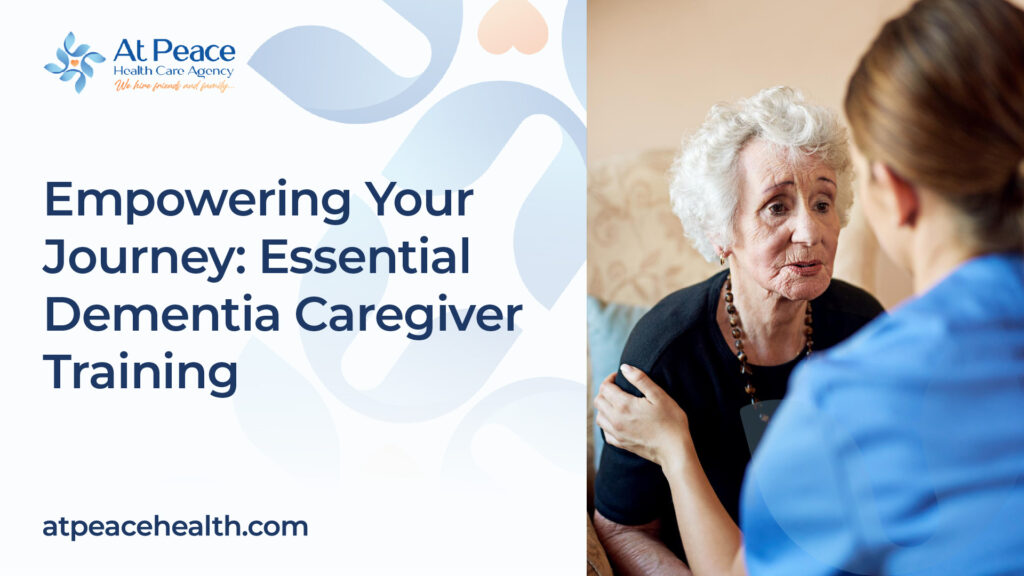
When caring for someone with dementia, it is essential for caregivers to undergo proper training to ensure the highest quality of care and support. Dementia caregiver training equips caregivers with the knowledge, skills, and resources necessary to provide effective care for individuals living with dementia. This section will explore the importance of dementia caregiver training and what caregivers can expect from such training programs.

The Importance of Dementia Caregiver Training
Dementia caregiver training plays a vital role in enhancing the quality of life for both individuals with dementia and their caregivers. Here are some reasons why dementia caregiver training is crucial:
- Knowledge and Understanding: Dementia caregiver training provides caregivers with comprehensive knowledge about dementia, including its symptoms, progression, and different types of dementia. This understanding helps caregivers anticipate and respond to the unique needs and challenges faced by individuals with dementia.
- Effective Communication: Communication can become challenging as dementia progresses. Dementia caregiver training equips caregivers with effective communication techniques, enabling them to better connect with individuals with dementia and understand their needs.
- Behavior Management: Dementia can cause behavioral changes, such as aggression, agitation, or wandering. Caregiver training programs teach strategies for understanding and managing these behaviors, ensuring a safe and supportive environment for individuals with dementia.
- Personal Care Skills: Dementia caregiver training focuses on teaching caregivers how to provide personal care with dignity and respect. This includes assistance with bathing, dressing, grooming, and other activities of daily living.
- Safety and Well-being: Training programs emphasize creating a safe environment for individuals with dementia, preventing accidents, and managing medications safely. Caregivers learn techniques to ensure the physical and emotional well-being of the person in their care.
What to Expect from Dementia Caregiver Training
Dementia caregiver training programs typically cover a range of topics to provide comprehensive support. Here are some areas that caregivers can expect to be covered in such training:
Training Topics
Communication techniques for effective interaction
Understanding behavior changes and managing challenging behaviors
Providing personal care with dignity and respect
Creating a safe and supportive environment
Proper medication management
Building relationships and connection with individuals with dementia
Coping with caregiver stress and burnout
Taking care of oneself as a caregiver

By participating in dementia caregiver training, caregivers gain the knowledge, skills, and confidence necessary to provide compassionate and effective care. It is important to note that dementia caregiver training is an ongoing process, as new techniques and information continue to emerge. Caregivers are encouraged to seek additional education and training opportunities to further enhance their skills. For more information on Alzheimer’s caregiver training, including certification programs and online training options, visit their article on alzheimer’s caregiver training programs.
Core Skills and Knowledge
When it comes to dementia caregiver training, acquiring core skills and knowledge is essential to provide effective care for individuals with Alzheimer’s disease. This section focuses on three key areas: communication techniques, understanding behavior changes, and providing personal care.
Communication Techniques
Effective communication plays a crucial role in caring for someone with dementia. As cognitive abilities decline, individuals with Alzheimer’s may experience difficulties in expressing themselves and understanding others. Caregivers need to develop specialized communication techniques to enhance understanding and minimize frustration.
Some communication strategies that can be useful include:
- Using simple and concise language, speaking slowly, and maintaining a calm and reassuring tone.
- Using non-verbal cues such as facial expressions, gestures, and touch to convey messages.
- Being patient and allowing extra time for the person to process information and respond.
- Asking open-ended questions and providing choices when possible to encourage engagement.
By employing these techniques, caregivers can establish a positive and supportive environment for effective communication with individuals with Alzheimer’s disease.
Understanding Behavior Changes
Behavioral changes are common in individuals with Alzheimer’s disease due to the impact of the condition on the brain. These changes can include agitation, aggression, restlessness, and wandering. Understanding the underlying causes of these behaviors is crucial in providing appropriate care and support.
Some common triggers for behavior changes in individuals with Alzheimer’s include:
- Physical discomfort, such as pain, hunger, or thirst.
- Environmental factors, such as noise, unfamiliar surroundings, or disruptions in routine.
- Emotional distress, including frustration, fear, or confusion.
Caregivers should learn to identify these triggers and respond in a supportive manner. Techniques such as redirection, providing reassurance, and creating a calm and familiar environment can help manage challenging behaviors effectively.
Providing Personal Care
As dementia progresses, individuals may require assistance with personal care tasks, such as bathing, dressing, grooming, and toileting. Caregivers need to develop the skills necessary to provide sensitive and respectful care while maintaining the person’s dignity.
Some tips for providing personal care include:
- Establishing a routine to provide a sense of familiarity and predictability.
- Breaking tasks into smaller, manageable steps to reduce overwhelm.
- Using verbal cues and visual prompts to guide the person through the process.
- Allowing the person to perform tasks to the best of their ability, promoting independence.
It is important for caregivers to approach personal care tasks with patience, empathy, and respect for the individual’s autonomy.
By acquiring core skills and knowledge in communication techniques, understanding behavior changes, and providing personal care, caregivers can enhance their ability to provide compassionate and effective care for individuals with Alzheimer’s disease.
Safety and Well-being
Ensuring the safety and well-being of individuals with dementia is a top priority for caregivers. Proper training equips caregivers with the necessary skills to create a safe environment, manage medications, and handle challenging situations.
Creating a Safe Environment
Creating a safe environment is essential for individuals with dementia, as they may be prone to accidents and confusion. Caregiver training emphasizes the importance of modifying the living space to reduce potential hazards. This may involve removing tripping hazards, installing handrails, and using locks or alarms to prevent wandering. By implementing these measures, caregivers can help minimize the risk of falls and injuries.
Additionally, caregivers are trained to promote a calm and structured environment. This includes maintaining consistent routines, providing clear communication, and using visual cues to aid in orientation. These strategies help individuals with dementia feel secure and reduce anxiety.
Managing Medications
Managing medications for individuals with dementia can be complex. Caregiver training covers important aspects, such as understanding medication schedules, proper storage, and administering medications safely. Caregivers learn how to organize medications, follow prescribed dosage instructions, and monitor for any adverse reactions.
To ensure accuracy and prevent medication errors, caregivers are trained to use medication management tools, such as pill organizers and reminder systems. This helps maintain a consistent medication routine and reduces the risk of missed doses or double dosing.
Handling Challenging Situations
Caring for individuals with dementia often involves handling challenging situations that may arise due to confusion, agitation, or aggression. Caregiver training equips caregivers with strategies to effectively manage these situations with empathy and patience.
Training focuses on de-escalation techniques, such as redirecting attention, providing reassurance, and using calming techniques like deep breathing exercises. Caregivers also learn to identify triggers that may lead to challenging behaviors and develop strategies to prevent or minimize their occurrence.
By understanding the underlying causes of challenging behaviors, caregivers can respond appropriately and maintain the safety and well-being of individuals with dementia.
Caregiver training plays a vital role in equipping caregivers with the knowledge and skills necessary to ensure the safety and well-being of individuals with dementia. By creating a safe environment, managing medications effectively, and handling challenging situations with compassion, caregivers can provide the best possible care for individuals with dementia.
Emotional Support and Self-Care
Caring for someone with dementia can be emotionally challenging and physically demanding. It is essential for caregivers to prioritize their own emotional well-being to provide the best care possible. This section focuses on the importance of emotional support and self-care for dementia caregivers, including building relationships and connection, coping with caregiver stress, and taking care of oneself as a caregiver.
Building Relationships and Connection
Building strong and meaningful relationships with individuals living with dementia is a crucial aspect of caregiving. Effective communication and connection can enhance the quality of life for both the caregiver and the person with dementia. It is important to learn communication techniques that are tailored to the specific needs of individuals with dementia. These techniques may include using simple and clear language, maintaining eye contact, using non-verbal cues, and practicing active listening. By establishing a positive and empathetic connection, caregivers can create a safe and nurturing environment for their loved ones.
Coping with Caregiver Stress
Caregiving can be emotionally and physically demanding, leading to stress and burnout. It is vital for caregivers to recognize the signs of stress and develop effective coping mechanisms. Understanding the impact of stress on one’s well-being is the first step in managing it. Caregivers can benefit from seeking support from friends, family, or support groups who can provide a listening ear and share experiences. Additionally, practicing stress-reduction techniques such as deep breathing exercises, meditation, or engaging in hobbies can help alleviate caregiver stress. Remember, taking care of oneself is not selfish but necessary to provide the best care for others.
Taking Care of Yourself as a Caregiver
Self-care is an essential component of being an effective dementia caregiver. It is important to prioritize your physical and mental health to prevent caregiver burnout. This involves maintaining a healthy lifestyle by eating nutritious meals, getting regular exercise, and getting enough restful sleep. Caregivers should also carve out time for activities they enjoy and find relaxing. Seeking respite care services or asking for help from family and friends can provide much-needed breaks for caregivers to recharge and take care of their own needs. Remember, caring for yourself is not a luxury but a necessity.
By focusing on emotional support and self-care, dementia caregivers can enhance their own well-being and provide better care for their loved ones. Additionally, online alzheimer’s caregiver training offers valuable resources for enhancing your knowledge and skills. Remember, taking care of yourself is an essential part of being a compassionate and effective caregiver.
Resources and Additional Support
Caring for someone with dementia can be a challenging journey, but you don’t have to navigate it alone. Accessing appropriate resources and seeking additional support can make a significant difference in your caregiving experience. Here are some avenues to explore:
Accessing Community Resources
Community resources can provide valuable assistance and support for dementia caregivers. These resources may include local organizations, non-profits, and government agencies that specialize in dementia care. They can offer a range of services, such as information and education, respite care, support groups, and referrals to other helpful resources.
To access community resources, start by reaching out to your local Alzheimer’s Association chapter or similar organizations. These organizations often provide a wealth of information and can connect you with services specific to your area. Additionally, consider exploring online directories and databases dedicated to dementia caregiver resources. These platforms can help you find local support groups, training programs options.
Joining Support Groups
Joining a support group can provide an invaluable source of emotional support and guidance. These groups bring together individuals who share similar experiences and challenges, allowing for mutual understanding and a sense of community. Support groups can be in-person or online, offering flexibility and accessibility.
By participating in a support group, you can share your thoughts, concerns, and triumphs with others who truly understand. You can also learn from their experiences and gain valuable insights and coping strategies. Support groups may be organized by local organizations, healthcare facilities, or online platforms dedicated to dementia caregiving. Consider asking your healthcare provider or contacting organizations specializing in Alzheimer’s and dementia care for information on support groups in your area.
Continuing Education and Training Opportunities
As a dementia caregiver, ongoing education and training are crucial to enhance your skills and knowledge. By staying updated with the latest research and best practices, you can provide the best possible care for your loved one.
There are various Alzheimer’s caregiver training programs available that cover essential topics such as communication techniques, behavior changes, and personal care. These programs can be offered in-person or online, allowing you to choose the format that best suits your needs and schedule. Online training programs, in particular, offer the convenience of self-paced learning and the ability to revisit materials as needed.
Supplementing your training with additional resources such as books, articles, and Alzheimer’s caregiver training manuals can further expand your knowledge and provide practical tips and strategies.
Remember, you are not alone on this journey. By accessing community resources, joining support groups, and investing in continuous education and training, you can empower yourself as a dementia caregiver and provide the best possible care for your loved one.
FAQs
What is the duration of the training program?
The duration of Alzheimer’s caregiver training programs varies. Some programs may be completed in a few hours, while others may require several weeks or months to complete. It’s important to choose a program that fits your schedule and provides you with the level of training you need.
Is there any certification for completing the training program?
Yes, many Alzheimer’s caregiver training programs offer certification upon completion. The certification can help demonstrate to potential employers or clients that you have received specialized training in caring for individuals with Alzheimer’s disease.
Can I take the training program online?
Yes, many Alzheimer’s caregiver training programs are offered online. Online programs can be more convenient for those who have busy schedules or live in remote areas. However, it’s important to ensure that the online program is accredited and provides adequate support and resources.
Do I need any prior experience to enroll in an Alzheimer’s caregiver training program?
No, prior experience is not required to enroll in an Alzheimer’s caregiver training program. These programs are designed to provide caregivers with all the necessary knowledge and skills they need to care for someone with Alzheimer’s disease effectively. It can be helpful if you have some experience working with seniors or individuals with cognitive impairments, but it is not mandatory.
How much does it cost to enroll in an Alzheimer’s caregiver training program?
The cost of enrolling in an Alzheimer’s caregiver training program varies depending on factors such as accreditation, duration, format (online or in-person), and location. Many organizations offer free or low-cost options for caregivers who cannot afford expensive programs. It’s important to research different options and choose a program that fits your budget and needs.
Conclusion
Caring for someone with Alzheimer’s disease can be challenging, but with the right training, you can provide better care and improve your loved one’s quality of life. Alzheimer’s caregiver training provides you with the knowledge and skills you need to effectively care for individuals with Alzheimer’s disease. By considering factors such as accreditation, curriculum, format, and cost, you can find the right training program to meet your needs.
Sources
1. https://www.brightfocus.org/alzheimers/caregiver-training
2. https://www.helpguide.org/tips-for-alzheimers-caregivers
3. https://www.sciencedirect.com/science/article
4. https://www.atrainceu.com/caregiver-training-and-support-services


