
Importance of Hip Stretches for Seniors
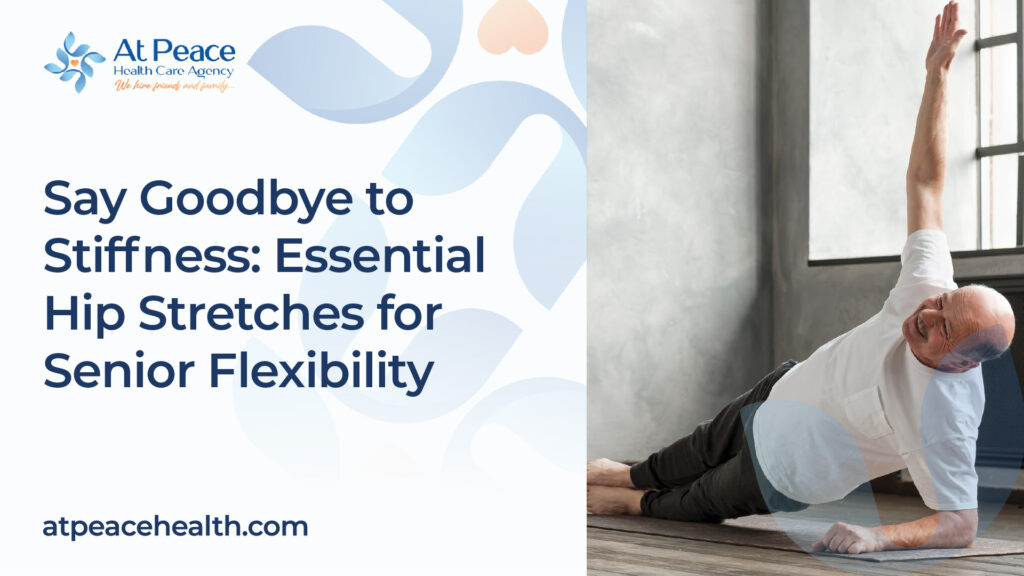
As we age, maintaining flexibility becomes increasingly important to support overall mobility and reduce the risk of injury. Hip stretches are particularly beneficial for seniors as they target the muscles and joints in the hip area, which tend to become stiff and less flexible over time. In this section, we will explore the importance of hip stretches for seniors, highlighting the benefits of regular stretching and how it can address stiffness while improving flexibility.

Benefits of Regular Hip Stretches
Regular hip stretches offer a multitude of benefits for seniors. Here are some key advantages:
- Improved Range of Motion: Hip stretches help to increase the range of motion in the hip joints, allowing for smoother and more comfortable movement. This can enhance mobility and make daily activities, such as walking or climbing stairs, easier and more enjoyable.
- Reduced Stiffness: With age, the muscles around the hip area can become tight and stiff. Regular hip stretching can help alleviate this stiffness by promoting blood flow, relaxing the muscles, and releasing tension.
- Enhanced Flexibility: Flexibility is crucial for maintaining independence and preventing falls. By incorporating hip stretches into your routine, you can improve your flexibility and reduce the risk of muscle strains or injuries.
- Pain Relief: Hip stretches can provide relief from chronic hip pain caused by conditions such as arthritis or tight hip muscles. Stretching helps to reduce tension and inflammation, providing temporary relief and promoting long-term joint health.
- Improved Posture and Balance: Strong and flexible hip muscles contribute to better posture and balance, reducing the risk of falls and promoting stability. By incorporating hip stretches into your regular exercise routine, you can help maintain good posture and prevent imbalances in the body.
Addressing Stiffness and Improving Flexibility
Stiffness in the hip area is a common issue among seniors, leading to discomfort and limited mobility. Regular hip stretches can address this stiffness and improve flexibility. By targeting the muscles, tendons, and ligaments surrounding the hip joints, stretching helps to lengthen these tissues, providing relief and enhancing mobility.
To reap the benefits of hip stretches, it’s important to perform them correctly and consistently. Each stretch should be done in a slow and controlled manner, without bouncing or forcing the movement. Remember to breathe deeply and relax into each stretch, allowing your body to gradually loosen up.
In addition to hip stretches, it’s also beneficial for seniors to incorporate other exercises that focus on hip strength and mobility.
By prioritizing hip stretches and incorporating them into your daily routine, you can experience improved flexibility, reduced stiffness, and enhanced overall mobility. Remember to consult with your healthcare provider or a qualified fitness professional before starting any new exercise program, especially if you have pre-existing conditions or concerns.
Precautions and Warm-up
Before engaging in any hip stretches, it is important for seniors to take certain precautions and incorporate a proper warm-up routine. These considerations help ensure safety and maximize the benefits of the stretches.
Safety Considerations for Seniors
When performing hip stretches, seniors should keep the following safety considerations in mind:
- Consult with a healthcare professional: It is always advisable to consult with a healthcare professional before starting any new exercise or stretching routine, especially if you have any pre-existing medical conditions or concerns.
- Start gently: Seniors should start with gentle stretches and gradually increase the intensity and duration over time. It is important to listen to your body and not push beyond your comfortable range of motion.
- Avoid pain: If you experience any pain or discomfort while performing hip stretches, stop immediately. Pain is not a sign of progress and may indicate an underlying issue. Consult with a healthcare professional if pain persists.
- Modify as needed: Every individual has different flexibility levels and physical abilities. Seniors should modify the stretches as needed to suit their comfort and range of motion. This may include using props or supports such as chairs or cushions for added stability.
Importance of Proper Warm-up
Prior to starting the hip stretches, seniors should incorporate a proper warm-up routine. Warming up prepares the body for exercise and helps prevent injuries. Some effective warm-up activities for seniors include:
- Gentle cardiovascular exercise: Engage in low-impact activities like brisk walking or cycling for 5-10 minutes. This increases blood flow and raises body temperature, preparing the muscles for stretching.
- Joint mobilization exercises: Perform gentle movements that target the hip joints, such as hip circles or leg swings. This helps increase joint mobility and lubrication.
- Dynamic stretching: Include dynamic stretches that involve controlled movements, such as leg swings or hip rotations. These help warm up the muscles and improve flexibility.
By incorporating these warm-up activities, seniors can enhance blood circulation, increase joint mobility, and reduce the risk of muscle strains or injuries during the hip stretching routine.
It’s important to note that hip stretches for seniors are just one aspect of maintaining overall hip health. To further improve hip function and prevent issues, seniors may also consider incorporating hip exercises, hip strengthening exercises, and hip mobility exercises into their fitness routine. Remember to always prioritize safety and consult with a healthcare professional before initiating any new exercise regimen.

Essential Hip Stretches for Seniors
To maintain flexibility and improve mobility in the hips, seniors can benefit from incorporating specific hip stretches into their daily routine. These stretches target the hip muscles, helping to alleviate stiffness and promote overall comfort. Here are four essential hip stretches for seniors:
Standing Hip Flexor Stretch
The standing hip flexor stretch targets the muscles at the front of the hip and can help improve hip flexibility and range of motion. To perform this stretch:
- Stand upright with your feet hip-width apart.
- Take a step forward with your right foot, keeping your left foot planted.
- Engage your core and gently shift your weight forward, bending your right knee.
- Keeping your back straight, lower your body down until you feel a gentle stretch in the front of your left hip.
- Hold the stretch for 30 seconds to a minute, then switch sides.
Seated Figure-Four Stretch
The seated figure-four stretch primarily targets the hip and glute muscles. To perform this stretch:
- Sit on a chair or bench with your feet flat on the floor.
- Cross your right ankle over your left thigh, creating a figure-four shape with your legs.
- Keeping your back straight, gently lean forward from your hips until you feel a stretch in your right hip and glute.
- Hold the stretch for 30 seconds to a minute, then switch sides.
Supine Hip Stretch
The supine hip stretch helps to stretch the muscles on the back of the hip and thigh. To perform this stretch:
- Lie on your back on a comfortable surface, such as a yoga mat or bed.
- Bend your knees and place your feet flat on the ground, hip-width apart.
- Cross your right ankle over your left knee, forming a figure-four shape with your legs.
- Reach through the gap between your legs and interlace your hands behind your left thigh.
- Gently pull your left thigh toward your chest until you feel a stretch in your right hip and glute.
- Hold the stretch for 30 seconds to a minute, then switch sides.
Chair Hip Opener
The chair hip opener stretch is a seated stretch that targets the outer hip muscles. To perform this stretch:
- Sit on the edge of a chair with your feet flat on the floor.
- Place your right ankle on top of your left knee, allowing your right knee to fall out to the side.
- Sit up tall and gently press down on your right knee with your right hand, applying gentle pressure to open up the right hip.
- Hold the stretch for 30 seconds to a minute, then switch sides.
Incorporating these essential hip stretches into your daily routine can help improve hip flexibility and alleviate stiffness. Remember to listen to your body and perform the stretches within a comfortable range of motion.
Additional Hip Stretches for Seniors
In addition to the essential hip stretches discussed earlier, there are several more exercises that can help seniors improve their hip flexibility and mobility. These stretches target different muscles and areas of the hips, providing a well-rounded approach to maintaining and increasing flexibility.
Standing Side Leg Lifts
Standing side leg lifts are excellent for targeting the hip abductor muscles, which are responsible for moving the leg away from the body. This stretch helps improve balance, stability, and hip strength.
To perform standing side leg lifts:
- Stand tall with your feet hip-width apart, holding onto a sturdy surface for support if needed.
- Lift one leg out to the side, keeping it straight and ensuring that your toes are pointing forward.
- Hold the lifted position for a few seconds, then slowly lower your leg back down.
- Repeat the exercise on the other side, alternating between legs.
Seated Hip Rotations
Seated hip rotations are a seated stretch that targets the hip rotator muscles. This exercise helps improve hip mobility and can alleviate stiffness in the hip joint.
To perform seated hip rotations:
- Sit on a chair with your feet flat on the floor and your back straight.
- Place your hands on your hips for support.
- Slowly rotate your hips in a circular motion, first clockwise and then counterclockwise.
- Perform the rotations for a designated number of repetitions or time.
Quadruped Hip Extensions
Quadruped hip extensions are an effective exercise for targeting the hip extensor muscles, which are responsible for extending the leg backward. This stretch helps improve hip strength and flexibility.
To perform quadruped hip extensions:
- Start on your hands and knees, with your hands directly under your shoulders and your knees under your hips.
- Engage your core and maintain a neutral spine.
- Extend one leg straight back, keeping it in line with your body.
- Hold the extended position for a few seconds, then return your leg to the starting position.
- Repeat the exercise with the opposite leg, alternating between legs.
Modified Pigeon Pose
The modified pigeon pose is a seated stretch that targets the hip external rotator muscles. This exercise helps increase hip mobility and flexibility.
To perform the modified pigeon pose:
- Sit on the edge of a chair with both feet flat on the floor.
- Cross one ankle over the opposite knee, allowing the crossed leg to gently drop to the side.
- Lean forward slightly, feeling a stretch in the outer hip of the crossed leg.
- Hold the stretch for a designated amount of time, then switch sides and repeat the exercise.
By incorporating these additional hip stretches into your routine, you can further enhance your hip flexibility and mobility. Remember to listen to your body and modify the exercises as needed.
Incorporating Hip Stretches into Daily Routine
To experience the full benefits of hip stretches, it’s important for seniors to incorporate them into their daily routine. By making hip stretches a regular practice, you can improve flexibility, alleviate stiffness, and enhance overall mobility. In this section, we will explore the frequency and duration of hip stretches, provide tips for proper technique, and emphasize the importance of listening to your body.
Frequency and Duration
To reap the benefits of hip stretches, aim to perform them at least three to five times a week. Consistency is key when it comes to improving flexibility and maintaining mobility. However, it’s important to listen to your body and avoid overdoing it. Start gradually with shorter durations and gradually increase the time spent on each stretch.
Ideally, spend about 10-15 minutes on hip stretches during each session. This allows sufficient time to target different areas of the hips and maximize the benefits.
Tips for Proper Technique
Proper technique is crucial for making the most out of your hip stretches and minimizing the risk of injury. Here are a few tips to keep in mind:
- Warm-up: Prior to starting your hip stretches, engage in a brief warm-up routine to prepare the muscles for stretching. This can include light cardio exercises like walking or marching in place, or hip mobility exercises to loosen up the hip joints.
- Gentle and Gradual: When performing hip stretches, remember to start gently and gradually increase the intensity. Avoid forcing your body into uncomfortable positions or pushing beyond your limits. The goal is to feel a gentle stretch in the targeted area, not pain.
- Breathe and Relax: Throughout the stretches, focus on your breathing and consciously relax your muscles. Exhale as you deepen into the stretch and allow your body to release tension. Maintaining a relaxed state helps you achieve a deeper stretch and enhances the overall effectiveness.
- Proper Alignment: Pay attention to your body alignment during each stretch. Maintain an upright posture, engage your core, and ensure that your movements are controlled and deliberate. This helps you target the intended muscles and reduces the risk of straining other areas.
Listening to Your Body
Above all, it’s essential to listen to your body and respect its limitations. Each individual is unique, and what works for one person may not work for another. If you experience pain or discomfort during any hip stretch, ease off or modify the stretch to a more comfortable position. It’s better to focus on proper form and avoid pushing yourself too far.
Consult with a healthcare professional or a qualified physical therapist if you have any concerns or specific conditions that may require specialized guidance. They can provide personalized recommendations and help you tailor your hip stretching routine to your individual needs.
Incorporating hip stretches into your daily routine can greatly improve your flexibility and mobility as a senior. By following a consistent practice, paying attention to proper technique, and respecting your body’s signals, you can maintain healthy hips and enjoy the freedom of movement for years to come.
FAQs
Can I do these hip stretches if I have had a hip replacement surgery?
It’s best to consult with your doctor or physical therapist before doing any new exercises or stretches after a hip replacement surgery. They can recommend specific stretches that are safe and appropriate for your individual needs.
How often should I do these hip stretches?
Aim to do these hip stretches at least 2-3 times per week, but you can also do them daily if you feel comfortable. Be sure to listen to your body and adjust the frequency as needed.
What should I do if I feel pain during a stretch?
It’s important not to push yourself too hard during stretching, especially if you feel pain. If you experience any discomfort or pain during a stretch, ease up or stop the stretch altogether. You may need to modify the stretch or choose a different one that is better suited for your body.
Is it okay to hold each stretch longer than 30 seconds?
Yes, it’s perfectly fine to hold each stretch longer than 30 seconds if you feel comfortable doing so. In fact, holding stretches for longer periods of time can be even more beneficial for improving flexibility and reducing muscle tension.
Can these hip stretches help prevent falls in seniors?
Yes, many of these hip stretches help improve balance and stability, which can reduce the risk of falls and injuries in older adults. By incorporating these stretches into your daily routine along with other exercises that promote strength and balance, you can lower your risk of falls and maintain your independence as you age.
Conclusion
Stretching is an important aspect of maintaining good health, especially as we age. By incorporating these hip stretches into your daily routine, you can improve your mobility and reduce pain in the hips. However, it’s important to remember that stretching is just one part of a comprehensive exercise program for seniors. Along with stretching, be sure to include strength training and cardiovascular exercise to maintain overall fitness and health. With a balanced approach to exercise and regular stretching, seniors can enjoy improved quality of life and increased independence for years to come.
Sources
1. https://freedomcare.com/hip-stretches-for-seniors/
2. https://www.verywellhealth.com/hip-stretches-for-seniors
3. https://share.upmc.com/hip-stretches-for-seniors


