
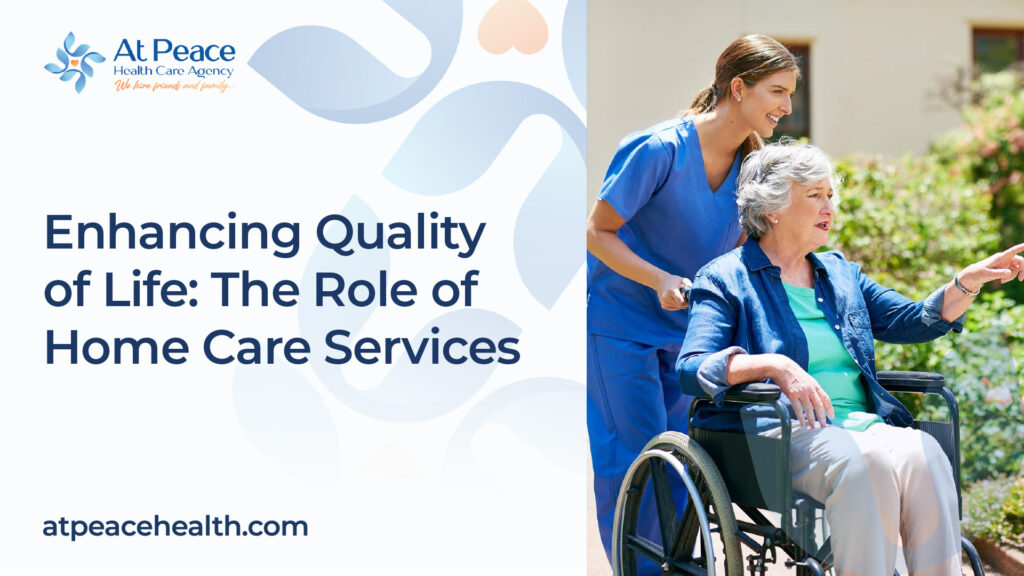
Understanding Home Care and Personal Care
When it comes to receiving assistance and support in the comfort of one’s own home, two commonly used terms are “home care services” and “personal care services.” While these terms are often used interchangeably, they do have distinct meanings. In this section, we will define both home care services and personal care services to provide a clear understanding of each.
Defining Home Care Services
Home care services refer to a wide range of non-medical services provided to individuals who require assistance with daily activities but wish to remain in their own homes. These services are typically provided by trained caregivers or home care agencies. Home care services are designed to help individuals maintain their independence and improve their quality of life.

The scope of home care services can vary depending on the needs and preferences of the individual. Some common tasks that home care services may include are:
- Assistance with personal hygiene and grooming
- Meal preparation and assistance with eating
- Medication reminders
- Light housekeeping and laundry
- Companionship and emotional support
- Transportation to appointments or errands
Home care services are particularly beneficial for elderly individuals who may require assistance with activities of daily living and prefer the familiarity and comfort of their own home.
Defining Personal Care Services
On the other hand, personal care services primarily focus on providing assistance with activities related to personal hygiene and grooming. Personal care services are typically provided by personal care assistants or caregivers who are trained to assist individuals with their personal care needs.
The main objective of personal care services is to ensure that individuals can maintain their personal hygiene and grooming routines with dignity and independence. Examples of personal care services include:
- Assistance with bathing and showering
- Dressing and grooming assistance
- Toileting and incontinence care
- Oral hygiene assistance
- Mobility and transfer assistance
Personal care services are often sought by individuals who have difficulty performing these activities independently due to physical limitations or health conditions. To find out more about personal care assistants and the services they provide, you can refer to their article on personal care assistant.
Understanding the differences between home care services and personal care services can help individuals and their families make informed decisions about the type of care that best suits their needs. Whether it’s finding the right level of assistance or ensuring a comfortable and familiar environment, both home care services and personal care services can contribute to enhancing one’s quality of life.
Comparing Home Care and Personal Care
When considering care options for yourself or a loved one, it’s important to understand the differences between home care and personal care services. While both types of care aim to support individuals in their daily activities, there are distinct variations in terms of scope of services, location, level of medical assistance, and cost considerations.
Scope of Services
| Home Care Services | Personal Care Services |
|---|---|
| Assistance with daily activities (e.g., bathing, dressing, meal preparation) | Assistance with personal hygiene and grooming |
| Medication reminders | Medication administration |
| Companionship and emotional support | Support for mobility and transfers |
| Light housekeeping and errands | Assistance with exercises and physical therapy |
| Meal planning and preparation | Transportation to appointments |
| Monitoring health conditions | Assistance with managing medical equipment |
Location of Services
| Home Care Services | Personal Care Services |
|---|---|
| Provided in the individual’s own home | Provided in the individual’s home or a care facility |
| Allows individuals to remain in a familiar environment | Can accommodate the specific needs of care facilities |
Level of Medical Assistance
| Home Care Services | Personal Care Services |
|---|---|
| Primarily focused on non-medical care | Can include both non-medical and medical care |
| Trained caregivers assist with daily activities and provide emotional support | Personal care assistants may have medical training and can assist with specific medical needs |
| Collaborate with healthcare professionals | Work in conjunction with nurses and other medical professionals |
Cost and Payment Options
The cost of home care and personal care services can vary depending on factors such as location, level of care required, and the agency providing the services. It’s important to consult with a home care agency or personal care assistant to get accurate pricing details specific to your needs. Here is a general overview of payment options:
Home Care Services
- Private pay: Individuals or families pay for services out of pocket.
- Long-term care insurance: Some insurance policies cover home care services.
- Medicaid: Eligible individuals may receive financial assistance for home care services.
- Veteran’s benefits: Veterans may qualify for financial aid through specific programs.
Personal Care Services
- Private pay: Individuals or families pay for services out of pocket.
- Medicaid: Eligible individuals may receive financial assistance for personal care services.
- Some long-term care insurance policies may cover personal care services.
By understanding the differences between home care and personal care, you can make an informed decision when choosing the right care option. Assess your needs, preferences, and medical requirements to determine which type of care will best meet your specific situation. It’s also important to consider the financial implications and explore available payment options. For more information on home care services and home healthcare services, consult with a reputable care agency specializing in home care for the elderly.

Benefits of Home Care Services
Home care services offer numerous benefits for individuals who require assistance with their daily activities and prefer to receive care in the comfort of their own homes. Let’s explore some of the key advantages of home care services.
Independence and Comfort
One of the primary benefits of home care services is the preservation of independence and comfort. Many individuals value the ability to maintain their regular routines and stay in familiar surroundings. With home care, individuals can receive the support they need while still maintaining control over their daily lives. Being able to stay in the comfort of their own homes allows them to feel more at ease and secure.
Personalized Care and Familiar Environment
Home care services provide personalized care tailored to the specific needs of each individual. Caregivers work closely with clients and their families to develop a care plan that addresses their unique requirements and preferences. Whether it’s assistance with personal hygiene, medication management, meal preparation, or mobility support, home care services can be customized to meet individual needs.
Moreover, receiving care in a familiar environment offers a sense of security and familiarity. Being in a place where memories have been made and surrounded by personal belongings can contribute to a more comfortable and emotionally supportive experience. It also allows for a higher level of engagement with family members and friends, fostering social connections and emotional well-being.
Enhanced Quality of Life
One of the ultimate goals of home care services is to enhance the overall quality of life for individuals. By providing assistance with daily activities, home care enables individuals to maintain their independence and dignity, promoting a sense of fulfillment and overall well-being. Home care services can help improve physical and mental health, reduce the risk of accidents and injuries, and enhance overall comfort and happiness.
Additionally, home care services often provide companionship and emotional support, which can have a positive impact on mental health and emotional well-being. Having a caregiver who genuinely cares about the individual’s well-being can make a significant difference in their overall quality of life.
Home care services offer a range of benefits that contribute to the overall well-being and satisfaction of individuals requiring assistance. From preserving independence and comfort to providing personalized care in a familiar environment, home care services can enhance the overall quality of life for those who choose to receive care at home.
Benefits of Personal Care Services
Personal care services offer a range of benefits that can greatly enhance the quality of life for individuals in need of assistance. These services provide professional care, convenience, flexibility, and peace of mind for families. Let’s explore these benefits in more detail.
Professional Care and Expertise
One of the key advantages of personal care services is the provision of professional care and expertise. Personal care assistants are trained and experienced in providing specialized care to individuals with various needs. They possess the knowledge and skills required to assist with activities of daily living (ADLs) such as bathing, grooming, dressing, and medication management.
The presence of a trained professional ensures that individuals receive the highest level of care tailored to their specific requirements. Personal care assistants can also provide companionship, emotional support, and assistance with mobility, ensuring the overall well-being and safety of the individual receiving care.
Convenience and Flexibility
Personal care services offer convenience and flexibility, allowing individuals to receive care in the comfort of their own homes. This eliminates the need for relocation to a care facility and allows individuals to maintain their independence and familiar routines. Personal care assistants can accommodate flexible schedules based on the individual’s needs, providing care on a part-time or full-time basis.
The convenience and flexibility of personal care services also extend to the ability to adapt the care plan as needs change over time. Personal care assistants can adjust their services to accommodate evolving requirements, ensuring that individuals receive the appropriate level of care as their health and circumstances evolve.
Peace of Mind for Families
For families of individuals in need of care, personal care services offer much-needed peace of mind. Knowing that their loved ones are receiving professional care and support in their homes alleviates concerns about their safety and well-being. Families can rest assured that their loved ones are in the hands of trained professionals who are dedicated to providing quality care.
Personal care services also provide respite for family caregivers, allowing them to take a break from their caregiving responsibilities. This respite can help reduce burnout and stress, enabling family members to maintain their own well-being while ensuring that their loved ones receive the care they need.
By choosing personal care services, individuals and their families can benefit from professional care, convenience, flexibility, and peace of mind. These services cater to the unique needs of individuals, allowing them to maintain their independence and enjoy an improved quality of life in the comfort of their own homes.
Choosing the Right Care Option
When it comes to choosing between home care and personal care services, several factors need to be considered to ensure the right fit for your needs. Assessing your needs and preferences, considering medical requirements, and evaluating financial considerations are key steps in making an informed decision.
Assessing Needs and Preferences
Start by assessing your individual needs and preferences. Consider the level of assistance required for daily activities such as personal hygiene, meal preparation, medication management, and mobility. Additionally, think about the desired level of companionship and social interaction. Evaluating these factors will help you determine the type and extent of care that best suits your needs.
Considering Medical Requirements
If you have specific medical requirements, it’s essential to consider them when choosing between home care and personal care services. Home care services typically provide assistance with non-medical tasks, while personal care services may include additional support from healthcare professionals. If you require medical assistance such as medication administration or wound care, you may need to opt for personal care services that offer the expertise of a personal care assistant or other healthcare professionals.
Evaluating Financial Considerations
Financial considerations play a significant role in the decision-making process. It’s important to evaluate the cost of home care and personal care services and determine what is financially feasible for you. Take into account factors such as hourly rates, frequency of care needed, and any potential additional charges. Additionally, explore payment options, including private payment, insurance coverage, or assistance programs, to determine the most viable financial solution for your circumstances.
By carefully assessing your needs and preferences, considering medical requirements, and evaluating the financial implications, you can make an informed decision when choosing between home care and personal care services. Remember, the right care option is one that aligns with your specific situation and enhances your overall quality of life.
FAQs
How do I know if my loved one needs home care or personal care?
The level of care your loved one requires depends on their medical needs, level of independence, and personal preferences. Home care is typically a good choice for individuals who are able to manage their day-to-day activities but require some assistance with tasks like cooking or cleaning. Personal care is typically necessary for individuals who require more intensive medical care and supervision.
What type of services are included in home care?
Home care services can include help with basic needs such as bathing, dressing, and grooming, as well as assistance with household chores like cooking and cleaning. Home care can also provide medical assistance such as administering medication or changing wound dressings.
What type of services are included in personal care?
Personal care services can include assistance with daily activities, as well as medical care and monitoring. This type of care is typically necessary for individuals who require more intensive medical attention.
Is home care less expensive than personal care?
Yes, home care is often less expensive than other types of care such as assisted living or nursing homes. However, the cost ultimately depends on the level of service required by your loved one.
Can both types of care be customized to meet individual needs?
Yes, both home care and personal care can be customized to meet the unique needs of each individual. It’s important to work with a reputable provider who can provide the level of personalized care your loved one requires.
Can I choose between home and personal care based on my own preference?
Ultimately, the decision should be based on the individual needs of your loved one. However, it’s important to consider their personal preferences and comfort when making this decision.
Conclusion
Choosing between home care and personal care can be a difficult decision. However, understanding the differences between the two types of care can help you make the best decision for your loved one. Whether you choose home care or personal care, the most important thing is to ensure that your loved one receives the care and support they need to maintain their health and independence.
Sources
1. https://www.homechoicenys.com/home-care-vs-personal-care
2. https://www.haiseyhomecare.com.au/home-care-vs-personal-care
3. https://familychoicehealthcare.com/blog/personal-care-services
4. https://www.compassus.com/health-care-and-home-care
5. https://athomeharmony.com/personal-care-aide-vs-home-health-aide


