

Meeting Senior Transportation Options
As individuals age, maintaining mobility becomes increasingly important for their overall well-being and quality of life. Accessible transportation plays a vital role in ensuring that seniors can continue to engage in their daily activities and maintain their independence. However, there are various challenges that seniors may face when it comes to transportation.
Importance of Accessible Transportation
Accessible transportation is crucial for seniors as it allows them to remain active and connected to their communities. It enables them to attend medical appointments, visit friends and family, participate in social activities, and meet their daily needs such as grocery shopping. Accessible transportation options help seniors maintain their sense of freedom and autonomy, enhancing their overall quality of life.
Additionally, accessible transportation promotes social inclusion and reduces feelings of isolation among seniors. By having reliable and convenient transportation options, seniors can continue to participate in community events, attend social gatherings, and engage in hobbies and interests. This helps to combat loneliness and fosters a sense of belonging.
Challenges Faced by Seniors in Transportation
Seniors may encounter various challenges when it comes to transportation. Some common hurdles include:
- Physical Limitations: Age-related physical limitations such as mobility issues, reduced strength, and impaired vision can make it difficult for seniors to access and utilize transportation options.
- Lack of Accessibility: Many traditional transportation modes may not be adequately equipped to accommodate the needs of seniors, particularly those with mobility aids such as walkers or wheelchairs. This lack of accessibility can limit their transportation options.
- Limited Public Transportation: In some areas, public transportation options may be limited, making it challenging for seniors to travel independently. This can be especially problematic in rural or suburban areas with less comprehensive public transportation systems.
- Cost: Transportation expenses can be a burden for seniors on fixed incomes. The cost of using public transportation, taxis, or ridesharing services can add up quickly, making it necessary for seniors to explore more affordable alternatives.
- Safety Concerns: Safety is a significant consideration for seniors when it comes to transportation. They may have concerns about navigating busy streets, using unfamiliar modes of transportation, or encountering potential risks during their journeys.
Addressing these challenges requires a comprehensive understanding of the available transportation options for seniors. By exploring public transportation, ride-sharing services, specialized senior transportation services, and personal transportation alternatives, seniors can find solutions that meet their individual mobility needs.
Public Transportation Options
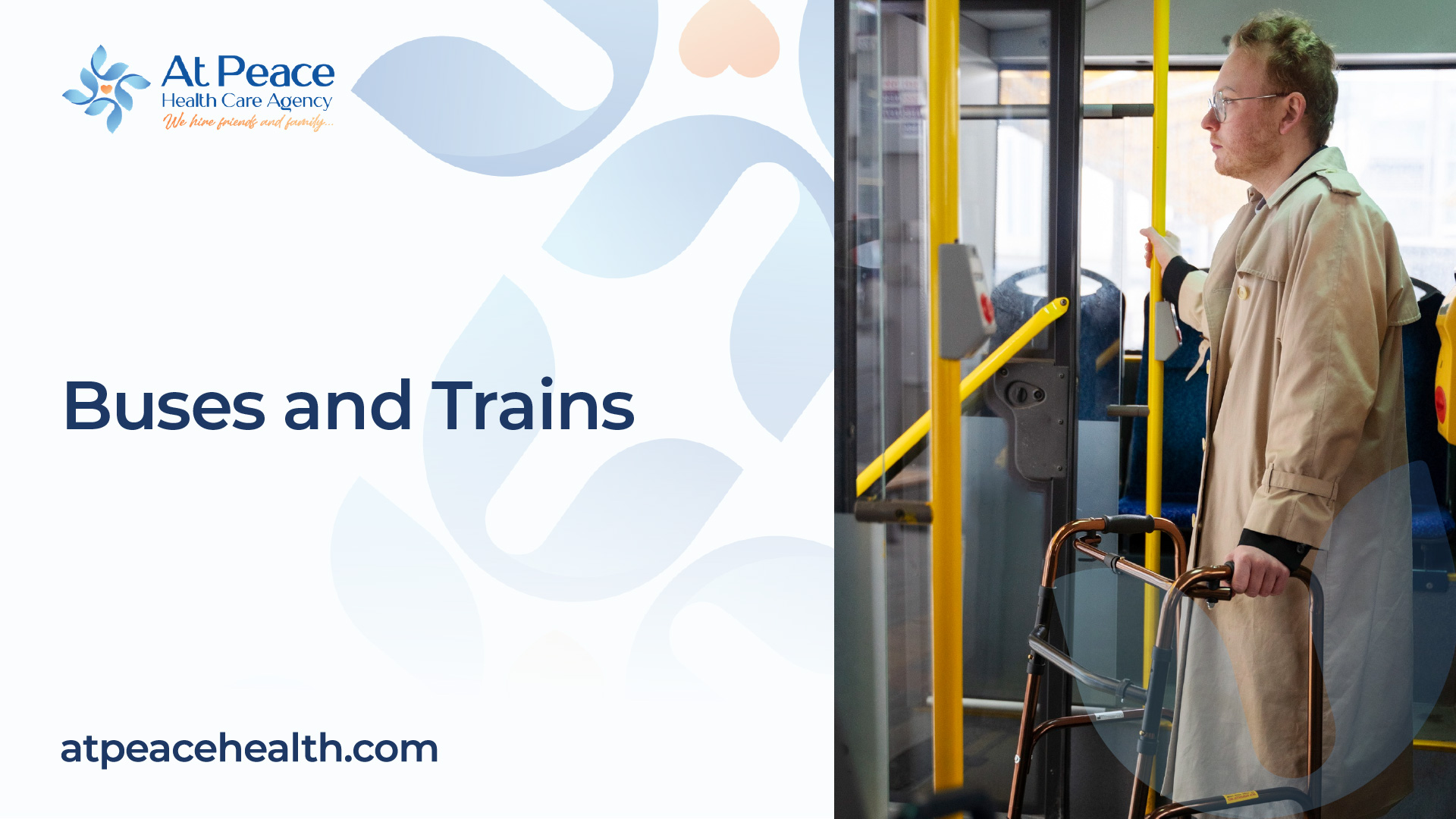
For seniors seeking transportation options, public transportation can be a convenient and cost-effective solution. Public transportation systems offer various services, including buses and trains, that cater to the needs of seniors.
Buses and Trains
Buses and trains are common modes of public transportation that provide seniors with flexible travel options. They offer extensive routes, allowing seniors to reach their destinations within cities and even between different regions. Buses and trains are typically equipped with seating areas designated for elderly passengers, ensuring a comfortable journey.
Accessibility Features
Public transportation systems also prioritize accessibility to accommodate individuals with mobility challenges. They incorporate features such as ramps, elevators, and priority seating for seniors. These accessibility features enable seniors to navigate public transportation with ease and independence.
To provide a better understanding of the accessibility features offered by public transportation, here are some examples:
Accessibility Features
- Ramps for wheelchair access
- Elevators at stations
- Priority seating for seniors
Senior Discounts and Programs
Many public transportation systems offer special discounts and programs specifically tailored for seniors. These discounts provide financial relief and encourage seniors to utilize public transportation as their primary mode of travel. The availability and extent of senior discounts may vary by location, but they often provide reduced fares or discounted passes.
Here are a few examples of senior discounts and programs offered by public transportation:
Senior Discounts and Programs for Public Transportation
| Public Transportation System | Senior Discounts/Programs |
|---|---|
| City Bus System | Reduced fares for seniors |
| Regional Train Network | Senior discount cards |
| Senior Transportation Program | Free or discounted rides for eligible seniors |
It is important for seniors to research and inquire about the specific discounts and programs available in their area. These offerings can significantly reduce transportation costs and make public transportation a more accessible option for seniors.
Public transportation options like buses and trains, along with their accessibility features and senior discounts, provide seniors with reliable and affordable transportation choices. By utilizing these services, seniors can maintain their independence, access essential services, and stay connected with their communities.
Ride-Sharing Services
Ride-sharing services have become increasingly popular among seniors as a convenient and flexible transportation option. These services offer numerous benefits, provide a variety of options, and prioritize safety considerations.
Benefits of Ride-Sharing
Ride-sharing services offer several advantages that make them appealing to seniors:
- Convenience: Ride-sharing services provide on-demand transportation, allowing seniors to request a ride at their convenience. This flexibility eliminates the need to rely on fixed schedules or wait for public transportation.
- Door-to-Door Service: Ride-sharing services pick up passengers from their desired location and drop them off at their destination, providing a convenient door-to-door service.
- Affordability: Many ride-sharing options offer competitive pricing, making them a cost-effective alternative to traditional taxis or private car services.
- Ease of Use: Ride-sharing apps are designed to be user-friendly, making it easy for seniors to request rides, track the driver’s arrival, and even pay for the trip within the app.
- Social Interaction: For seniors who may feel isolated or lonely, ride-sharing services offer an opportunity for social interaction with the drivers and fellow passengers, promoting a sense of community.
Popular Ride-Sharing Options
Several well-known ride-sharing services cater to the needs of seniors. These services typically operate through smartphone apps that allow users to request rides and track their drivers. Some popular ride-sharing options include:
Ride-Sharing Services
| Description | Ride-Sharing Service |
|---|---|
| Uber is a widely recognized ride-sharing service available in many cities worldwide. It offers a range of vehicle options, including standard cars, larger vehicles for group trips, and wheelchair-accessible vehicles. | Uber |
| Lyft is another popular ride-sharing service that operates in numerous cities across the United States. It provides various vehicle options, including standard cars, luxury vehicles, and those equipped with accessibility features. | Lyft |
| Via is a shared ride service that focuses on providing affordable transportation options. It matches multiple passengers heading in the same direction, reducing costs and congestion. | Via |
| GoGoGrandparent is a service specifically designed for seniors who may not have access to a smartphone. It allows users to request rides by calling a toll-free number and provides additional assistance and safety features. | GoGoGrandparent |
Safety Considerations
When using ride-sharing services, safety is a top priority, particularly for seniors. Here are some essential safety considerations:
- Driver Screening: Reputable ride-sharing services conduct thorough background checks on their drivers, including criminal record checks and driving history reviews.
- GPS Tracking: Ride-sharing apps often provide real-time GPS tracking, allowing both the passenger and their loved ones to monitor the trip’s progress.
- Ride Verification: Confirming the driver’s identity and the vehicle’s details before getting in is essential. Ride-sharing apps provide information such as the driver’s name, photo, license plate number, and vehicle make and model.
- Emergency Assistance: Most ride-sharing apps have emergency features that allow users to contact emergency services directly from the app in case of any safety concerns or issues during the ride.
- User Rating System: Ride-sharing services often have a rating system that allows passengers to rate and provide feedback on their drivers, promoting accountability and improving overall safety.
By considering the benefits, exploring popular ride-sharing options, and keeping safety in mind, seniors can confidently utilize ride-sharing services as a convenient and reliable transportation choice.

Specialized Senior Transportation Services
When it comes to meeting the unique transportation needs of seniors, specialized services play a crucial role. These services are designed to cater specifically to the mobility challenges faced by older adults. In this section, we will explore three specialized senior transportation options: non-emergency medical transportation, senior shuttle services, and community-based transportation programs.
Non-Emergency Medical Transportation
Non-emergency medical transportation services are essential for seniors who require transportation to medical appointments, treatments, or therapy sessions. These services are specifically designed to ensure the safe and comfortable transportation of individuals with mobility limitations.
Non-Emergency Medical Transportation Services
- Door-to-door service to medical appointments
- Professional drivers trained in assisting seniors
- Wheelchair-accessible vehicles
- Assistance with getting in and out of the vehicle
- Accommodation of medical equipment, such as oxygen tanks
Non-emergency medical transportation services provide a reliable and convenient option for seniors who may have difficulty accessing traditional transportation methods due to physical limitations or medical conditions. These services prioritize the comfort and well-being of passengers during their journey to and from medical facilities.
Senior Shuttle Services
Senior shuttle services are community-based transportation options specifically tailored to meet the mobility needs of older adults. These services typically operate on fixed routes, providing transportation to popular destinations such as grocery stores, pharmacies, community centers, and social events.
Senior Shuttle Services
- Regularly scheduled routes and pick-up points
- Affordable or subsidized fares
- Accommodations for mobility aids, such as walkers or canes
- Friendly and helpful drivers
Senior shuttle services not only provide reliable transportation but also offer seniors the opportunity to socialize and engage with their community. These services play a vital role in reducing isolation and promoting independence among older adults.
Community-Based Transportation Programs
Community-based transportation programs aim to address the transportation needs of seniors by providing a range of services tailored to their specific community. These programs often involve partnerships between local government agencies, non-profit organizations, and transportation providers to ensure comprehensive coverage and accessibility.
Community-Based Transportation Programs
- Door-to-door transportation services
- Volunteer drivers or ride-sharing programs
- Access to various destinations, including medical facilities, shopping centers, and recreational activities
- Affordable or subsidized fares
- Additional support services, such as assistance with carrying groceries
Community-based transportation programs offer a flexible and personalized approach to senior transportation. By considering the unique needs and preferences of older adults within their community, these programs strive to enhance mobility and quality of life for seniors.
By exploring specialized senior transportation services such as non-emergency medical transportation, senior shuttle services, and community-based transportation programs, seniors can find reliable and convenient options to meet their mobility needs. These services not only provide transportation but also contribute to the overall well-being and independence of older adults in their communities.
Personal Transportation Alternatives
When it comes to personal transportation options for seniors, there are various alternatives that can provide flexibility and independence. Here, we explore three popular options: senior driving programs, carpooling with peers, and electric scooters and personal mobility devices.
Senior Driving Programs
For seniors who are still comfortable driving but may require additional support, senior driving programs can be beneficial. These programs are designed to provide refresher courses and assessments to ensure that seniors have the skills and knowledge necessary for safe driving. They often cover topics such as defensive driving techniques, traffic rules and regulations, and updates on road safety.
Senior driving programs also offer an opportunity for seniors to stay informed about any age-related changes that may affect their driving abilities. Additionally, some programs provide resources and guidance on adaptive equipment and modifications that can enhance driving comfort and safety.
Carpooling with Peers
Carpooling with peers is another option that can help seniors maintain their independence while reducing transportation costs. By joining a carpooling group, seniors can share rides with others who have similar destinations or schedules. This not only provides companionship but also helps to minimize the number of vehicles on the road, contributing to a more sustainable environment.
Carpooling arrangements can be informal, such as coordinating with friends or neighbors, or they can be organized through community groups or senior centers. It’s important to establish clear guidelines and expectations within the carpooling group to ensure a smooth and reliable transportation experience.
Electric Scooters and Personal Mobility Devices
Electric scooters and personal mobility devices have gained popularity as convenient and eco-friendly transportation options for seniors. These devices are designed to enhance mobility and provide an alternative to walking or driving short distances. Electric scooters are battery-powered and offer a comfortable and efficient way to navigate through neighborhoods, parks, or shopping centers.
When considering electric scooters and personal mobility devices, it’s essential to select one that meets individual needs and preferences. Factors to consider include weight capacity, battery life, maneuverability, and ease of use. Seniors should also familiarize themselves with local regulations and safety guidelines to ensure a safe and enjoyable experience.
Personal Transportation Alternatives
| Alternative | Key Considerations |
|---|---|
| Senior Driving Programs | Refresher courses, assessments, adaptive equipment |
| Carpooling with Peers | Companionship, cost-sharing, sustainability |
| Electric Scooters and Personal Mobility Devices | Weight capacity, battery life, maneuverability, safety guidelines |
By exploring personal transportation alternatives like senior driving programs, carpooling with peers, and electric scooters or personal mobility devices, seniors can find options that suit their individual needs and preferences. It’s important to assess one’s mobility requirements and consider factors such as safety, comfort, and accessibility when choosing the most suitable transportation option.
Planning Ahead for Mobility
When it comes to senior transportation options, planning ahead is key to ensure a smooth and hassle-free experience. By assessing mobility needs, creating a transportation plan, and utilizing available resources, seniors can maintain their independence and stay connected to the community.
Assessing Mobility Needs
Before diving into transportation options, it’s crucial for seniors to assess their specific mobility needs. Consider the following factors:
- Distance: Determine the typical distance you need to travel, whether it’s short trips within the neighborhood or longer journeys to medical appointments or social events.
- Mobility limitations: Take into account any physical limitations or health conditions that may affect your ability to use certain modes of transportation.
- Frequency: Consider how often you will require transportation services. Will it be a daily need or occasional trips?
- Cost: Take a realistic look at your budget and consider the affordability of different transportation options.
Understanding your mobility needs will help you narrow down the most suitable transportation choices available.
Creating a Transportation Plan
Once you have assessed your mobility needs, it’s time to create a transportation plan. This plan will serve as a roadmap to help you navigate your daily travels. Consider the following steps:
- Research: Explore the various transportation options available in your area. Make a list of services that align with your needs.
- Evaluate: Compare the pros and cons of each transportation option. Consider factors such as cost, convenience, accessibility, and safety.
- Prioritize: Determine which transportation modes best meet your needs. You may find that a combination of options works best for different situations.
- Schedule: Create a schedule or routine for your transportation needs. This will help you stay organized and ensure you have transportation arranged when needed.
- Backup Plan: It’s always a good idea to have a backup plan in case your primary transportation option is unavailable. Identify alternative options for emergencies or unexpected changes.
By having a well-thought-out transportation plan in place, you can feel more confident and prepared to tackle your mobility needs.
Resources for Finding Transportation Options
Finding the right transportation options can sometimes be overwhelming, but there are resources available to assist seniors in their search. Consider the following:
- Local Agencies: Contact your local Area Agency on Aging or senior centers for information on transportation services in your community.
- Online Directories: Utilize online directories that specialize in senior transportation options. These directories provide comprehensive listings and details about available services.
- Transportation Assistance Programs: Check with government agencies or nonprofit organizations that may offer transportation assistance programs or discounts for seniors.
- Community Networks: Tap into community networks and social groups to gather recommendations and insights from other seniors who have utilized transportation services.
Remember, it’s important to verify the reliability and safety of transportation providers before making any commitments. Take the time to read reviews, ask for references, and ensure that the services meet your specific needs.
By assessing your mobility needs, creating a transportation plan, and utilizing available resources, seniors can navigate their transportation needs with ease and maintain their independence.
Sources
https://www.renaissancehomehc.com/senior-transportation-options
https://seniorservicesofamerica.com/what-are-the-options-for-senior-transportation
https://angelsoncall.com/affordable-and-free-senior-transportation-services
https://www.gogograndparent.com/what-are-the-transportation-options-for-senior-citizens
https://agewisecolorado.org/what-transportation-options-do-seniors-have-if-they-cannot-drive


