
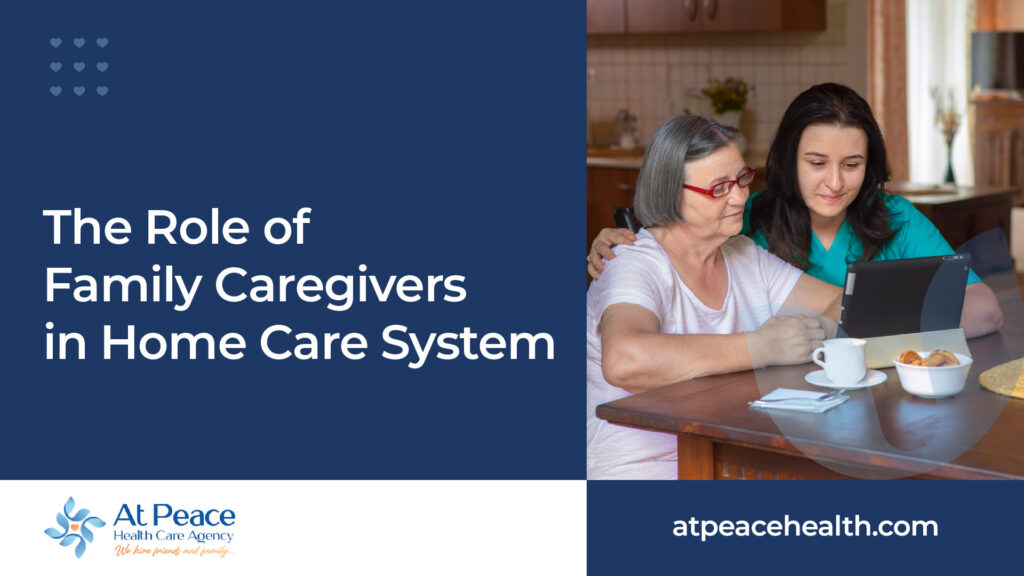
The Vital Role of Family Caregivers in Home Care
Family caregivers play a crucial role in the home care system, providing essential support and assistance to their loved ones. Let’s explore the definition and importance of family caregivers, as well as the impact they have in the home care system.
Definition and Importance of Family Caregivers
Family caregivers are individuals who provide unpaid care and support to a family member or loved one who may have a chronic illness, disability, or age-related needs. They often take on various caregiving responsibilities, including personal care, medication management, household tasks, and emotional support.
The importance of family caregivers cannot be overstated. They serve as the backbone of the home care system, filling in gaps and ensuring the well-being of their loved ones. Without their dedication, many individuals would struggle to receive the care they need, potentially facing institutionalization or increased healthcare costs.
Impact of Family Caregivers in the Home Care System
Family caregivers have a significant impact on the home care system, benefiting both their loved ones and society as a whole. Their contributions include:
- Reducing healthcare costs: Family caregivers help minimize healthcare costs by providing care at home, reducing the need for expensive hospital stays or long-term care facilities.
- Improving quality of life: By offering personalized care and support, family caregivers enhance the quality of life for their loved ones, allowing them to remain in a familiar and comfortable environment.
- Promoting independence: Family caregivers empower their loved ones to maintain their independence by assisting with daily activities and providing emotional support.
- Alleviating the burden on professional caregivers: By taking on caregiving responsibilities, family caregivers alleviate the workload of professional caregivers, enabling them to focus on more complex care tasks.
- Enhancing overall care: Family caregivers possess intimate knowledge of their loved ones’ needs, preferences, and medical history, which can contribute to more personalized and effective care.
Recognizing and valuing the critical role of family caregivers is essential. Their dedication, sacrifice, and commitment deserve acknowledgment and support from healthcare systems, policymakers, and communities alike.
By understanding the importance of family caregivers and their impact on the home care system, we can work towards creating a more inclusive and supportive environment that recognizes and values their invaluable contributions.

Challenges and Rewards
Family caregivers play a vital role in the home care system, dedicating their time and effort to provide care and support to their loved ones. However, this role is not without its challenges. Let’s explore some of the challenges faced by family caregivers, as well as the rewards and fulfillment they experience in their caregiving journey.
Challenges Faced by Family Caregivers
Being a family caregiver can be emotionally, physically, and mentally demanding. Caregivers often face a range of challenges that can impact their own well-being and quality of life. Some common challenges include:
Challenges
- Time constraints and the need to balance caregiving responsibilities with work, personal life, and other commitments
- Financial strain and the potential impact on the caregiver’s own financial security
- Physical exhaustion and the toll it takes on the caregiver’s health
- Emotional stress, including feelings of guilt, sadness, and frustration
- Lack of training or knowledge in providing specialized care for certain health conditions
- Social isolation and a reduced ability to engage in activities outside of caregiving
These challenges can be overwhelming, and it’s important for family caregivers to recognize the need for self-care and seek support to navigate these difficulties effectively.
Rewards and Fulfillment of Being a Family Caregiver
While caregiving presents its fair share of challenges, it also brings rewards and fulfillment to family caregivers. The act of caring for a loved one can foster a sense of purpose and strengthen the bond between the caregiver and the care recipient. Some rewards and positive experiences include:
Rewards
- The opportunity to make a positive difference in the life of a loved one
- Enhanced feelings of empathy, compassion, and gratitude
- Building a deeper connection and sense of intimacy with the care recipient
- The satisfaction of knowing that the care recipient is receiving personalized and loving care
- Appreciation and recognition from the care recipient and other family members
These rewards can provide immense satisfaction and a sense of fulfillment to family caregivers, reinforcing their commitment to providing the best possible care for their loved ones.
Family caregivers deserve recognition and support for the vital role they play in the home care system. Understanding the challenges they face and acknowledging the rewards they experience can help society appreciate the dedication and sacrifices made by these unsung heroes. By providing resources, education, and access to support networks, we can better support family caregivers in their caregiving journey.

Collaboration in Home Care
Family caregivers play a vital role in the home care system, working alongside professional care providers to ensure the well-being of their loved ones. Collaboration between family caregivers and professional care providers is crucial for delivering effective and comprehensive care. In this section, we will explore the importance of collaboration and the role of open communication and support.
Collaboration between Family Caregivers and Professional Care Providers
Collaboration between family caregivers and professional care providers is essential for providing holistic care to individuals in need. By working together, they can combine their knowledge, skills, and resources to address the various aspects of home care. This collaboration can lead to improved outcomes and a higher quality of life for the care recipients.
Benefits of Collaboration in Care
| Aspect of Collaboration | Benefits |
|---|---|
| Sharing Information and Expertise |
|
| Coordinating Care and Services |
|
| Supporting Transitions in Care |
|
Importance of Open Communication and Support
Open communication and support are the foundation of effective collaboration between family caregivers and professional care providers. Clear and honest communication allows for the exchange of information, concerns, and expectations. It helps build trust and fosters a collaborative environment where all parties can work together towards the common goal of providing the best possible care.
Support, both emotional and practical, is crucial for family caregivers who may face numerous challenges and responsibilities. Professional care providers can offer guidance, education, and resources to help family caregivers navigate the complexities of home care. Additionally, emotional support can help alleviate stress, reduce burnout, and improve the overall well-being of family caregivers.
To ensure effective collaboration, it’s important to establish open lines of communication and provide ongoing support. Regular meetings, care conferences, and care plans can facilitate communication and allow for updates, feedback, and adjustments to the care plan. By working together and recognizing the expertise and unique perspectives of each party, family caregivers and professional care providers can create a cohesive and supportive care environment.
Remember, collaboration is not limited to professional care providers and family caregivers. It can also involve other members of the care team, such as healthcare professionals, therapists, and social workers. By fostering collaboration among all stakeholders, the home care system can provide comprehensive and person-centered care, ultimately improving the well-being and quality of life for those in need.
Providing Emotional Support
Family caregivers play a vital role in providing emotional support to their loved ones in the home care system. This section explores the emotional labor involved in caregiving and provides strategies for managing emotional stress and burnout.
Emotional Labor of Family Caregivers
Family caregivers often shoulder significant emotional labor while caring for their loved ones. They witness the physical and emotional challenges faced by the care recipients and may experience a range of emotions themselves. Some common emotional labor that family caregivers may encounter includes:
- Empathy: Family caregivers empathize with the pain, frustration, and emotional struggles of their loved ones. They provide comfort and reassurance during difficult times.
- Compassion: Caregivers demonstrate compassion by actively listening, understanding, and responding to the emotional needs of the care recipients. They create a safe and supportive environment.
- Grief and Loss: Family caregivers may experience grief and loss as they witness the decline in the health and independence of their loved ones. They navigate the emotional journey of coming to terms with these changes.
- Stress and Anxiety: Caregiving responsibilities can lead to increased levels of stress and anxiety. The pressure of balancing caregiving with other obligations can take a toll on the emotional well-being of family caregivers.
Strategies for Managing Emotional Stress and Burnout
Recognizing the emotional challenges faced by family caregivers, it is important to implement strategies to manage emotional stress and prevent burnout. Here are some strategies that can help:
Strategies
- Self-Care: Prioritize self-care activities such as exercise, relaxation techniques, and hobbies to recharge and reduce stress levels.
- Seek Support: Connect with support groups, counseling services, or online communities where caregivers can share their experiences, seek advice, and find emotional support from others in similar situations.
- Set Boundaries: Establish clear boundaries to prevent caregiver fatigue. Communicate your limitations and delegate tasks when possible.
- Take Breaks: Take regular breaks from caregiving responsibilities to rest and recharge. Respite care services or assistance from other family members can provide temporary relief.
- Practice Mindfulness: Engage in mindfulness and stress-reduction practices such as meditation, deep breathing exercises, or journaling to cultivate emotional well-being.
- Professional Help: Consider seeking professional help, such as therapy or counseling, to address and manage the emotional challenges associated with caregiving.
By implementing these strategies, family caregivers can better manage the emotional labor of caregiving and reduce the risk of burnout. It is essential to prioritize self-care and seek support from others to maintain emotional well-being while providing care for their loved ones.
Practical Assistance and Caregiving Tasks
Family caregivers play a crucial role in providing practical assistance and performing various caregiving tasks within the home care setting. Let’s explore the daily tasks and responsibilities of family caregivers, as well as the challenges they face in balancing caregiving with other obligations.
Daily Tasks and Responsibilities of Family Caregivers
Family caregivers take on a range of daily tasks and responsibilities to ensure the well-being and comfort of their loved ones. These tasks may vary depending on the specific needs of the care recipient. Here are some common caregiving tasks performed by family caregivers:
Caregiving Tasks
- Assisting with personal hygiene, such as bathing and grooming
- Administering medications and managing health conditions
- Providing assistance with mobility and transferring
- Assisting with meal planning, preparation, and feeding
- Performing household chores, such as cleaning and laundry
- Arranging medical appointments and coordinating healthcare services
- Monitoring and documenting changes in the care recipient’s condition
- Providing emotional support and companionship
It’s important to note that the extent of caregiving tasks can be demanding and time-consuming. Family caregivers often need to acquire new skills and knowledge to effectively carry out these responsibilities. They play a vital role in maintaining the health, safety, and quality of life of their loved ones.
Balancing Caregiving with Other Obligations
Balancing caregiving with other obligations can be a significant challenge for family caregivers. Many caregivers have their own families, careers, and personal commitments to attend to, making it difficult to devote all their time and energy solely to caregiving.
Caregivers often face the following challenges when striving to maintain this delicate balance:
- Time constraints: Caregiving can be a full-time job, leaving little time for other responsibilities or self-care.
- Emotional and physical exhaustion: The demands of caregiving can take a toll on the caregiver’s well-being, leading to fatigue and burnout.
- Financial strain: Caregiving expenses and the potential loss of income due to reduced work hours can create financial burdens.
- Social isolation: Caregiving responsibilities may limit opportunities for socializing and maintaining relationships outside the caregiving role.
To manage these challenges and create a sustainable balance, family caregivers can consider the following strategies:
- Seek support from family members, friends, or support groups to share caregiving responsibilities and provide respite.
- Communicate openly with employers or educational institutions to explore flexible work arrangements or accommodations.
- Prioritize self-care by setting aside time for rest, relaxation, and engaging in activities that bring joy and rejuvenation.
- Utilize community resources, such as respite care, home care services, or adult day programs, to supplement caregiving efforts.
- Delegate tasks and responsibilities to other family members or professionals when possible.
By recognizing the daily tasks and responsibilities of family caregivers and understanding the challenges they face in balancing caregiving with other obligations, we can appreciate the immense dedication and commitment they demonstrate in providing care for their loved ones.
Advocating for Recognition and Support
Family caregivers play a crucial role in the home care system, providing care and support for their loved ones. Recognizing and acknowledging their contribution is essential to ensure their well-being and sustain their invaluable assistance. Additionally, various resources and support systems are available to assist family caregivers in their caregiving journey.
Recognition of the Contribution of Family Caregivers
Family caregivers deserve recognition for the vital role they play in the home care system. Their dedication, compassion, and sacrifices should be acknowledged and appreciated. Recognizing their contribution helps to raise awareness about the challenges they face and the significant impact they have on the well-being of their loved ones.
Recognition Programs
- Caregiver Appreciation Programs: Programs that aim to acknowledge the efforts of family caregivers through events, awards, or public recognition.
- Caregiver Support Groups: Communities where family caregivers can connect, share experiences, and receive validation and support from others who understand their challenges.
- Public Awareness Campaigns: Campaigns that educate the general public about the crucial role of family caregivers and the importance of supporting them.
Resources and Support Available for Family Caregivers
Recognizing the importance of support for family caregivers, various resources and support systems have been established to assist them in their caregiving journey. These resources provide valuable information, guidance, and assistance, helping family caregivers navigate the challenges they face and enhance their caregiving skills.
Resources and Support
| Category | Description |
|---|---|
| Caregiver Training Programs | Training programs that provide family caregivers with the necessary knowledge and skills to provide quality care and manage caregiving responsibilities effectively. |
| Respite Care Services | Services that offer temporary relief to family caregivers by providing trained professionals who can step in and care for their loved ones, allowing caregivers to take breaks and attend to their own needs. |
| Financial Assistance Programs | Programs that provide financial aid or benefits to family caregivers, helping to alleviate the financial burden associated with caregiving. |
| Online Support Platforms | Online platforms and forums where family caregivers can access information, connect with other caregivers, and find resources and support tailored to their specific caregiving needs. |
Advocating for recognition and support for family caregivers is crucial to ensure their well-being and sustain their contributions to the home care system. By acknowledging their valuable role and providing them with the necessary resources and support, we can help family caregivers navigate the challenges they face and enhance the quality of care they provide to their loved ones.
Sources
https://www.aces.edu/home-family-urban/the-role-of-a-family-caregiver
https://www.chcs.org/Family-Caregiver-Fact-Sheet
https://www.caringbridge.org/what-is-a-family-caregiver
https://www.ttcapitalpartners.com/strategic-insights/the-vital-role-of-family-caregivers


