
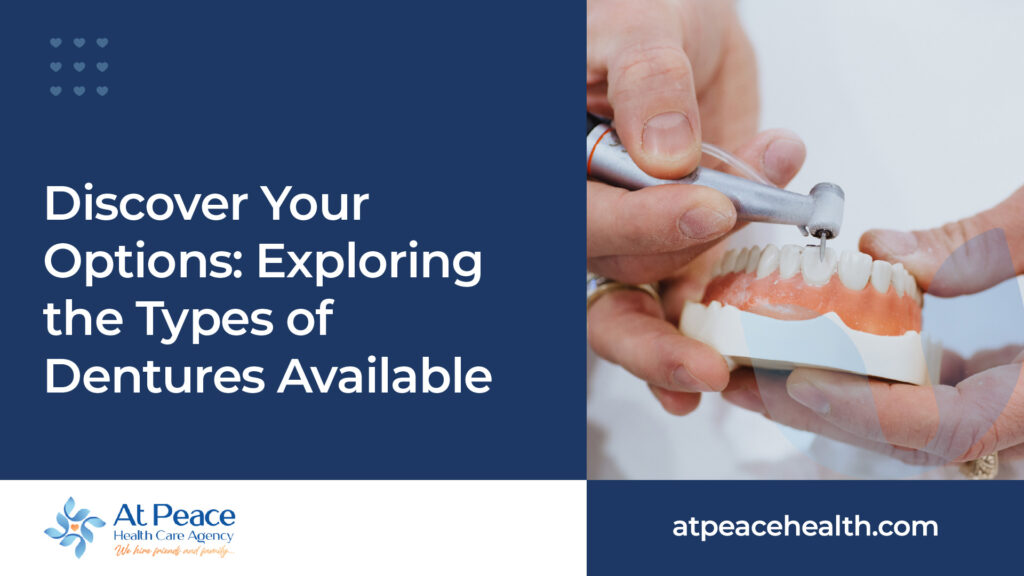
Dentures are removable dental appliances that are designed to replace missing teeth and restore oral function and aesthetics. They are custom-made to fit the unique shape of an individual’s mouth, providing a natural-looking smile and enabling proper chewing and speaking abilities.
What Are Dentures?
Dentures are prosthetic devices that consist of artificial teeth set in a gum-colored base. They are made from various materials, such as acrylic resin, porcelain, and metal. Dentures can be used to replace a few missing teeth (partial dentures) or a full set of teeth (complete dentures).
Partial dentures are used when some natural teeth remain, while complete dentures are used when all natural teeth are missing. Both types of dentures are removable, allowing for easy cleaning and maintenance.
Why Are Dentures Needed?
Dentures are needed for several reasons. One of the primary reasons is tooth loss, which can occur due to various factors such as tooth decay, gum disease, injury, or age-related tooth loss. Missing teeth can cause difficulties in chewing, speaking, and can impact one’s self-esteem and overall quality of life.
By replacing missing teeth, dentures help restore oral function, improve speech clarity, and enhance the appearance of the smile. They also provide support to the facial muscles, preventing a sunken or sagging facial appearance that can occur when teeth are missing.
The Importance of Proper Denture Care
Proper denture care is essential to maintain the longevity and functionality of dentures. It involves regular cleaning, both of the dentures themselves and the oral tissues.
To clean dentures, they should be removed and rinsed after meals to remove food particles. They should be brushed gently with a denture brush and denture cleanser to remove plaque and bacteria. It’s important to avoid using abrasive cleaners or toothpaste, as they can damage the denture material. For a detailed guide on how to clean dentures, refer to their article on how to clean dentures.
In addition to cleaning, dentures should be stored properly when not in use. This helps prevent warping or damage. They can be soaked in a denture cleaning solution or water overnight. It’s important to consult with a dentist about the specific care instructions for your dentures, as different materials may have specific requirements.
Regular dental check-ups are also crucial for denture wearers. Dentists can assess the fit and condition of the dentures, make any necessary adjustments, and check the health of the underlying oral tissues. These visits provide an opportunity to address any concerns or issues and ensure the dentures continue to function optimally.
By practicing proper denture care and maintaining regular dental visits, individuals can ensure the longevity and effectiveness of their dentures, allowing them to enjoy the benefits of a functional and confident smile.
When considering dentures, it’s important to explore all the available options and consult with a dentist to determine the most suitable type of denture for your specific needs. Factors such as cost, lifestyle, and oral health should be taken into consideration. To learn more about the cost of dentures, denture alternatives, and eating with dentures, refer to their articles on cost of dentures, denture alternatives, and eating with dentures.

Types of Dentures
Dentures are a popular and effective solution for individuals who are missing some or all of their teeth. There are different types of dentures available to cater to specific dental needs. In this section, we will explore the three main categories of dentures: complete dentures, partial dentures, and implant-supported dentures.
Complete Dentures
Complete dentures are used when all of the natural teeth are missing in either the upper or lower jaw, or both. They are designed to replace the entire set of teeth and restore the functionality and aesthetics of the mouth. There are three types of complete dentures:
- Conventional Complete Dentures: These dentures are custom-made for the individual once the gum tissue has healed following tooth extraction. They are placed in the mouth after the remaining teeth have been removed and the gums have fully healed.
- Immediate Dentures: Immediate dentures are fabricated in advance and can be placed in the mouth immediately after tooth extraction. They are designed to be a temporary solution while the gum tissue heals and conventional dentures are being made.
- Overdentures: Overdentures are designed to fit over a few remaining natural teeth or dental implants. They provide added stability and support, improving the retention of the denture.
Partial Dentures
Partial dentures are used when some natural teeth remain in the mouth. They are designed to fill in the gaps left by missing teeth and restore proper chewing function. There are several types of partial dentures:
- Traditional Partial Dentures: Traditional partial dentures consist of replacement teeth attached to a metal or acrylic base. They are held in place by clasps that grip onto the remaining natural teeth.
- Flexible Partial Dentures: Flexible partial dentures are made from a lightweight, flexible material that blends with the natural gum color. They offer increased comfort and aesthetics compared to traditional partial dentures.
- Metal Framework Partial Dentures: Metal framework partial dentures are made with a metal base that provides strength and stability. They are less bulky than traditional partial dentures and offer a secure fit.
Implant-Supported Dentures
Implant-supported dentures are a popular choice for individuals seeking enhanced stability and durability. These dentures are anchored to dental implants surgically placed into the jawbone. There are different types of implant-supported dentures:
- All-on-4 Dentures: All-on-4 dentures utilize four strategically placed dental implants to support a full arch of teeth. This technique provides a secure fit and eliminates the need for individual implants for each missing tooth.
- All-on-6 Dentures: Similar to the All-on-4 technique, All-on-6 dentures use six dental implants to support a full arch of teeth. The additional implants provide added stability and support.
- Bar-Retained Dentures: Bar-retained dentures involve attaching a metal bar to dental implants, which then connects to the denture. This system offers excellent stability and allows for easy removal and cleaning of the denture.
When considering the different types of dentures, it’s essential to consult with a dentist who can assess your specific needs and recommend the most suitable option. Factors such as cost, oral health, and personal preference should also be taken into consideration..
Complete Dentures
Complete dentures are a popular solution for individuals who have lost all of their natural teeth. These dentures are designed to replace both the upper and lower arches of teeth, providing a natural-looking smile and restoring oral functionality. There are different types of complete dentures available, including conventional complete dentures, immediate dentures, and overdentures.
Conventional Complete Dentures
Conventional complete dentures are created after the remaining teeth have been removed, and the gum tissues have healed. The process involves taking impressions of your gums and jaw to create custom-made dentures that fit snugly and comfortably. These dentures are then placed in your mouth, allowing you to regain your ability to chew and speak properly.
Immediate Dentures
Immediate dentures are prepared in advance and can be placed immediately after the removal of your remaining teeth. This means that you don’t have to wait for your gums to heal before receiving your dentures. Immediate dentures offer the benefit of not having to go without teeth during the healing period. However, it’s important to note that as your gums heal and shrink over time, adjustments or relining of the dentures may be necessary for optimal fit and comfort.
Overdentures
Overdentures are a type of complete denture that can be supported by dental implants. Dental implants are surgically placed in the jawbone, providing a stable foundation for the dentures. Overdentures offer enhanced stability and retention compared to conventional complete dentures. By attaching the dentures to the implants, the risk of denture slippage or discomfort is significantly reduced. This type of denture can improve chewing efficiency and provide a more natural feel.
When considering complete dentures, it’s important to discuss the options with your dentist. Factors such as your oral health, bone structure, and personal preferences will help determine the most suitable type of denture for you. Additionally, the cost of dentures can vary depending on the type and quality of materials used.
Proper denture care is essential to maintain their longevity and functionality. Regular cleaning, as well as soaking the dentures overnight, is necessary to prevent plaque buildup and maintain oral hygiene. Additionally, adjusting to eating with dentures may take some time. It is recommended to start with soft or liquid foods and gradually introduce more solid foods into your diet.
By understanding the different types of complete dentures available and consulting with your dentist, you can make an informed decision about the most suitable option for your oral health needs. Dentures can greatly improve your quality of life, providing you with a confident smile and the ability to eat and speak comfortably.
Partial Dentures
Partial dentures are a popular option for individuals who have lost some of their natural teeth but still have remaining healthy teeth. These dentures are designed to fill the gaps created by missing teeth, providing both functional and aesthetic benefits. There are several types of partial dentures available, each with its own unique features and advantages.
Traditional Partial Dentures
Traditional partial dentures consist of replacement teeth attached to a pink or gum-colored base. They are typically made from a combination of metal and acrylic materials. These dentures have metal clasps that attach to the natural teeth, providing stability and support.
One of the main advantages of traditional partial dentures is their affordability. They are often more cost-effective compared to other types of dentures. Additionally, traditional partial dentures can be easily adjusted or modified if changes in the mouth occur over time.
| Advantages | Disadvantages |
|---|---|
| Affordable | Metal clasps may be visible |
| Easily adjustable | May cause slight discomfort initially |
| Provides stability and support | Requires proper oral hygiene care |
Flexible Partial Dentures
Flexible partial dentures, also known as valplast or thermoplastic dentures, are made from a flexible and lightweight material called nylon. These dentures have a gum-colored base that blends naturally with the surrounding tissues. The flexibility of the material allows for a snug and comfortable fit.
One of the main advantages of flexible partial dentures is their aesthetic appeal. The material used is translucent and gum-like in appearance, making the dentures less noticeable when worn. They also offer added comfort as they adapt well to the movement of the mouth.
| Advantages | Disadvantages |
|---|---|
| Aesthetic appeal | Higher cost compared to traditional dentures |
| Comfortable fit | Not as easily adjustable |
| Lightweight and flexible | Requires proper oral hygiene care |
Metal Framework Partial Dentures
Metal framework partial dentures, also known as cast partial dentures, are constructed using a metal alloy framework that provides strength and stability. The replacement teeth are attached to the metal framework, and the denture clasps are designed to fit around the natural teeth, ensuring a secure fit.
One of the main advantages of metal framework partial dentures is their durability. The metal alloy used can withstand the forces of biting and chewing, making these dentures long-lasting. They also offer excellent retention and stability, allowing for improved functionality.
| Advantages | Disadvantages |
|---|---|
| Durable and long-lasting | More expensive than traditional dentures |
| Excellent retention and stability | Metal clasps may be visible |
| Provides strength for biting and chewing | Requires proper oral hygiene care |
When considering partial dentures, it’s important to consult with your dentist to determine the most suitable option for your specific needs. Factors such as cost, esthetics, comfort, and oral health should be taken into account.
Implant-Supported Dentures
For individuals seeking a more secure and stable option, implant-supported dentures provide an excellent alternative. These dentures are anchored in place by dental implants, which are titanium posts surgically placed into the jawbone. Implant-supported dentures offer enhanced stability, comfort, and confidence when compared to traditional dentures.
All-on-4 Dentures
All-on-4 dentures, also known as “Teeth in a Day,” are a popular implant-supported denture option. This innovative technique involves the placement of four dental implants strategically positioned in the jawbone. The denture is then attached to these implants, providing a secure and functional solution. All-on-4 dentures are a great option for individuals who have experienced significant tooth loss but still have sufficient jawbone density.
All-on-6 Dentures
Similar to All-on-4 dentures, all-on-6 dentures provide a stable and reliable solution for individuals with multiple missing teeth. With this approach, six dental implants are placed in the jawbone to support the denture. All-on-6 dentures are beneficial for those with compromised jawbone density and require additional implant support for improved stability.
Bar-Retained Dentures
Bar-retained dentures involve the use of a metal bar that is attached to dental implants placed in the jawbone. The denture is then securely fastened to the bar using clips or other attachments. This method provides excellent support and stability for the denture, allowing for enhanced chewing and speaking abilities.
Implant-supported dentures offer numerous advantages over traditional dentures, including increased stability, improved chewing efficiency, and enhanced comfort. However, it’s important to note that the process of getting implant-supported dentures requires thorough evaluation, planning, and coordination between the dentist and oral surgeon. Additionally, the cost of implant-supported dentures may be higher compared to traditional dentures.
If you’re considering implant-supported dentures, it’s crucial to consult with your dentist to determine if you are a suitable candidate. They will evaluate your oral health, jawbone density, and overall dental condition to determine the most appropriate treatment option. Each individual’s situation is unique, and your dentist can provide personalized guidance based on your specific needs.
Implant-supported dentures can be a life-changing solution for individuals with missing teeth, providing improved functionality and confidence. By exploring the different types of dentures available and consulting with your dentist, you can make an informed decision and find the right denture option that suits your needs.

Choosing the Right Dentures for You
When it comes to choosing dentures, there are several factors to consider. Each individual’s dental needs and preferences are unique, so it’s important to take these factors into account to find the dentures that are the best fit for you.
Factors to Consider
- Oral Health Condition: The condition of your oral health plays a significant role in determining the type of dentures that are suitable for you. If you have lost all your teeth, complete dentures may be the right choice. However, if you still have some natural teeth remaining, partial dentures might be a better option. Assessing your oral health condition will help you determine the appropriate type of dentures.
- Budget: Dentures come in different price ranges, so it’s essential to consider your budget when selecting the right dentures. The cost of dentures can vary based on factors such as materials used, complexity of the treatment, and additional procedures required. It’s advisable to consult with your dentist and inquire about the cost of dentures to ensure they align with your budget.
- Lifestyle and Preferences: Your lifestyle and personal preferences should also be taken into account when choosing dentures. For example, if you are looking for a more stable and secure option, implant-supported dentures may be the right choice. On the other hand, if you prefer a removable option, traditional complete or partial dentures may suit your needs better.
- Appearance: Dentures play a vital role in restoring your smile and facial aesthetics. Consider how the dentures will look, ensuring they match your natural teeth and complement your facial features. Your dentist can guide you in choosing dentures that provide the most natural and pleasing appearance.
Consulting with Your Dentist
Choosing the right dentures can be overwhelming, but your dentist is your best resource throughout the process. They have the knowledge and expertise to assess your specific dental needs and guide you in making an informed decision.
During your consultation, your dentist will evaluate your oral health condition, discuss your preferences, and address any concerns you may have. They will explain the different types of dentures available and recommend the most suitable options for you. Your dentist may also provide information on how to properly care for your dentures, such as how to clean dentures and eat with dentures, to ensure their longevity and optimal performance.
Remember, choosing the right dentures is a collaborative effort between you and your dentist. By considering the factors mentioned above and consulting with your dentist, you can make an informed decision and find the dentures that will restore your smile and oral functionality effectively.
FAQs
How long do dentures last?
Dentures can last anywhere from 5 to 10 years with proper care and maintenance. Over time, your mouth may change shape, which can affect the fit of your dentures. It’s important to have them checked regularly by your dentist and replaced when necessary.
Will dentures affect my ability to eat?
It may take some time to adjust to eating with dentures, but most people are able to eat a wide variety of foods with them. It’s best to start with softer foods and cut them into smaller pieces until you get used to wearing your dentures.
Can I sleep in my dentures?
It’s not recommended to sleep in your dentures as it can cause irritation and increase the risk of infection. It’s important to remove your dentures at night and soak them in water or a cleaning solution.
Are there any alternatives to dentures?
Yes, there are several alternatives to dentures, including dental implants and bridges. Your dentist can discuss these options with you and help you decide which is best for your needs.
Will my speech be affected by wearing dentures?
You may experience some difficulty speaking clearly at first, but with practice, most people are able to speak normally while wearing their dentures. If you continue to have difficulty speaking after several weeks of wearing your dentures, talk to your dentist about adjustments that can be made.
We hope these FAQs have been helpful in addressing some of the common concerns about getting dentures. Remember, if you have any more questions or concerns, don’t hesitate to talk to your dentist.
Conclusion
Getting dentures can be a life-changing decision, but it doesn’t have to be a scary one. With modern dentures, you can regain your confidence and your smile. We hope this guide has been helpful in answering your questions about dentures. If you have any more questions or concerns, don’t hesitate to talk to your dentist.
Sources
1. https://www.lakewaycosmeticdentistry.com/ultimate-guide-dentures/
2. https://oceanbreezeprosthodontics.com/types-of-dentures
3. https://www.dentavacation.com/dentures-types/


